
Published on
3 February 2017
Read time
3 mins
For this current blog issue we turn our focus to the exciting world of energy procurement. Often an area overlooked by many organisations due to the complexities associated.
Over the past few years the energy market has seen significant rises in pass through costs and also the cost of energy has fluctuated in an ever-changing market. One thing that we are seeing more within organisations, especially ones with large asset portfolios, is the importance of getting the energy strategy refreshed regularly.
Energy strategies are normally set by the procurement team along with business stakeholders and this forms the parameters of buying power. As the market evolves and changes, this strategy should be refreshed on an on-going basis by the internal team and should reflect not only the internal risk profile, but the current and forecast market conditions.
Many of the clients we have operated with over the past 24 months have very passive strategies that have not evolved with the market. At 7 Step solutions we guide the client to a new strategy which allows better buying parameters. If a broker is involved buying the utilities, it gives them more autonomy to react to the market without slow and deliberated authorisation from the client. In this ever-changing market, slow responses from the client on buying decisions, of even 24 hours, can dictate buying or holding a position.
The perception of a strategy being low risk to a client can be moved up the scale, and being more dynamic can mean a client benefits from a medium risk buying strategy.
The value that can be un-locked from utilities can be significant. In the past utilities would have been way down the priority list for procurement focus but huge value can now be extracted and also controlled for budget setting purposes.
Here at 7 Step Solutions we work with the client to understand their appetite for risk, the budget setting requirements and create a value based strategy. Over the past few months we have taken clients from a pass through accepted cost to the business, to a position of dynamic purchasing. This in turn has firmed up budgets and delivered significant value to the bottom line. The strategy is now more dynamic but the risk levels are still at a level to be tolerable to the client risk appetite.
Latest news & insights


Tail Spend solutions – a platform or a service?
Ten separate client conversations in the last few weeks have started the same way: "We're not looking for yet another platform. We just need a partner to provide a service and help us get a handle on our Tail Spend." That's not a coincidence - it's a pattern worth naming. Tail Spend is often the least glamorous corner of procurement,
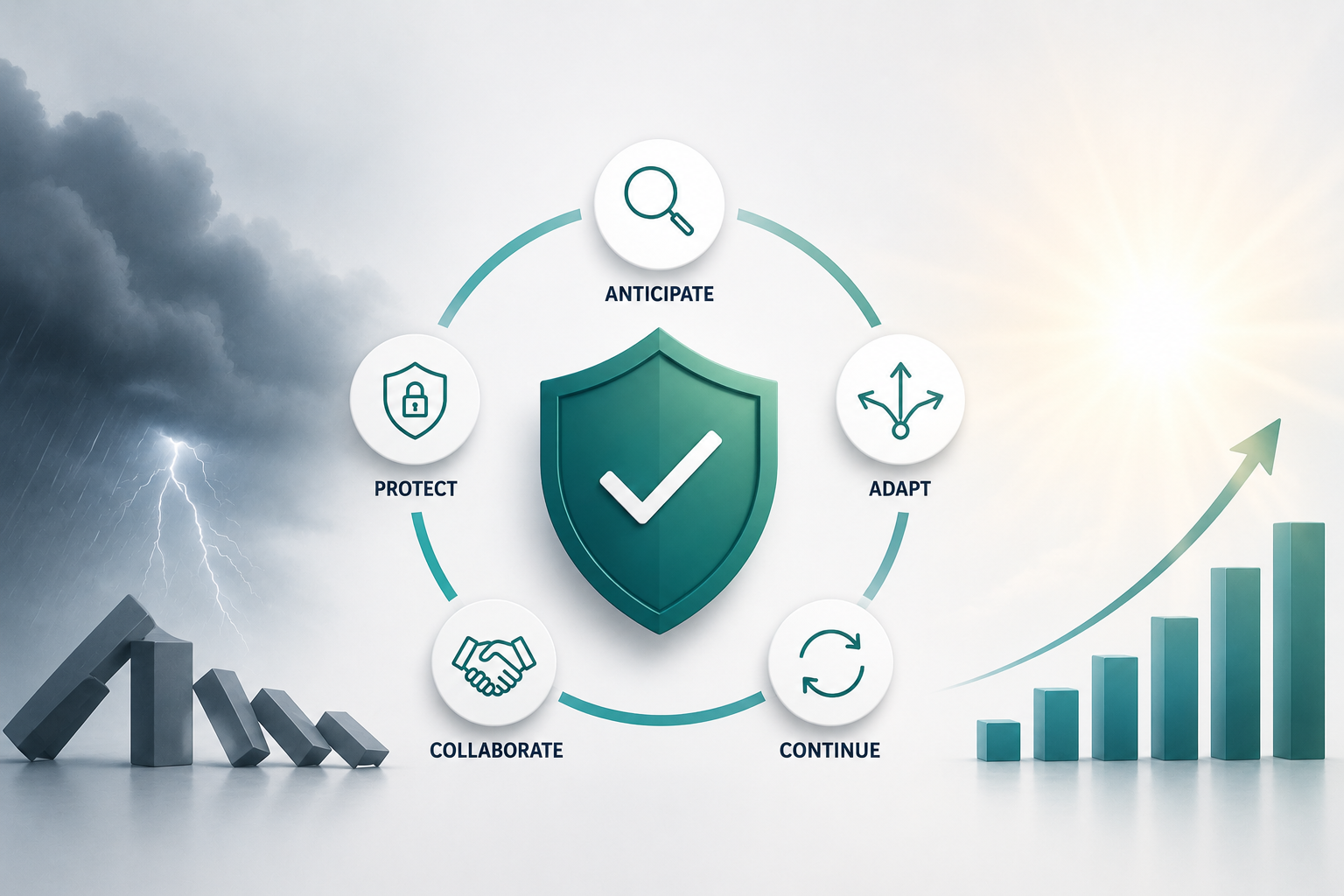
Procurement's Role in Operational Resilience
(and why most businesses are getting it wrong!) From Cost Control to Strategic Function Procurement is still too often treated as a cost-control function. Negotiate contracts, manage suppliers, drive savings, repeat. That model isn't just outdated, it's a liability. In today's operating environment, businesses that relegate procurement to a back-office function are quietly accumulating risk they can't see yet. What

When the Heat Is On: What the June 2026 Heatwave Reveals About Your Supply Chain
As temperatures across southern England breach 35°C and Amber Extreme Heat Warnings run through next week, procurement leaders need to ask a harder question than 'is our office cool enough?' The real exposure is in the supply chain and most organisations have little substantial knowledge of how vulnerable they are. Most business commentary will focus on workforce welfare - keeping