
Published on
6 July 2026
Read time
4 mins

Ten separate client conversations in the last few weeks have started the same way: "We're not looking for yet another platform. We just need a partner to provide a service and help us get a handle on our Tail Spend." That's not a coincidence - it's a pattern worth naming.
Tail Spend is often the least glamorous corner of procurement, and probably the most neglected. It's the one-off laptop stand, the emergency office chair, the odd piece of kit nobody budgeted for, the marketplace order on a personal card because raising a formal PO would take longer than the item is worth. Individually, none of it looks like a problem. Collectively, it's often 20% of business spend spread across 80% of suppliers - a sprawling, fragmented mess and governance risk of low-value, high-friction purchasing that sits outside the value adding contracts procurement actually negotiated.
Most recently, the standard answer to this became: buy a platform. Give the business a marketplace-style tool, let people self-serve within guardrails, and let the system do the consolidating. On paper, that solves it. In practice, we're increasingly hearing the opposite - and it's telling us something real about where Procurement's priorities have shifted.
Stakeholders want simplicity and efficiency
The businesses coming to us do not want another login, another tool to roll out, another change-management project competing for attention against everything else on the roadmap.
What they want is simpler and, frankly, harder to deliver well: raise a request or purchase order via multi-channel options the way they already do, hand it to an in-house team (the partner), and let that team go and source it compliantly and well - including from Amazon or whatever vendor makes sense - and just deliver the thing. No new system. No major behaviour change required from the people raising requests. The complexity gets absorbed by the partner, not pushed onto already-stretched internal teams.
This is a meaningful shift in what "good" looks like for Tail Spend. It's not about giving the business more tools to manage complexity themselves - it's about taking the complexity away from them entirely.
A managed, intermediary model succeeds or fails on things a platform can't solve alone: how fast can you turn around a one-off request, how much supplier risk is acceptable, and whether you can consolidate a chaotic mess of small suppliers into one clean, accountable relationship without anyone having to change how they work day to day.
It also reframes what Procurement is being asked to deliver. It's an operating model decision: who absorbs the friction of low-value, high-frequency purchasing while delivering compliance and tangible value, and how much visibility and control do you get in exchange for handing it over?
If your organisation is still treating Tail Spend as an afterthought, it's worth asking a blunter question: how many suppliers do you have that account for less than £100,000 a year each, and what would it take to make most of them (and problems that come with them daily) disappear - not through a new tool, but through a partner who gets your business and simply makes the problem go away?
7 Step Solutions works with clients to design and source Tail Spend and Procurement models (i.e. Purchasing Desks, Repair and Maintenance CAFM solutions, etc.) that fit how their teams actually work.
Drop Director jamesball@7stepsolutions.co.uk a message to discuss your specific needs.
Latest news & insights
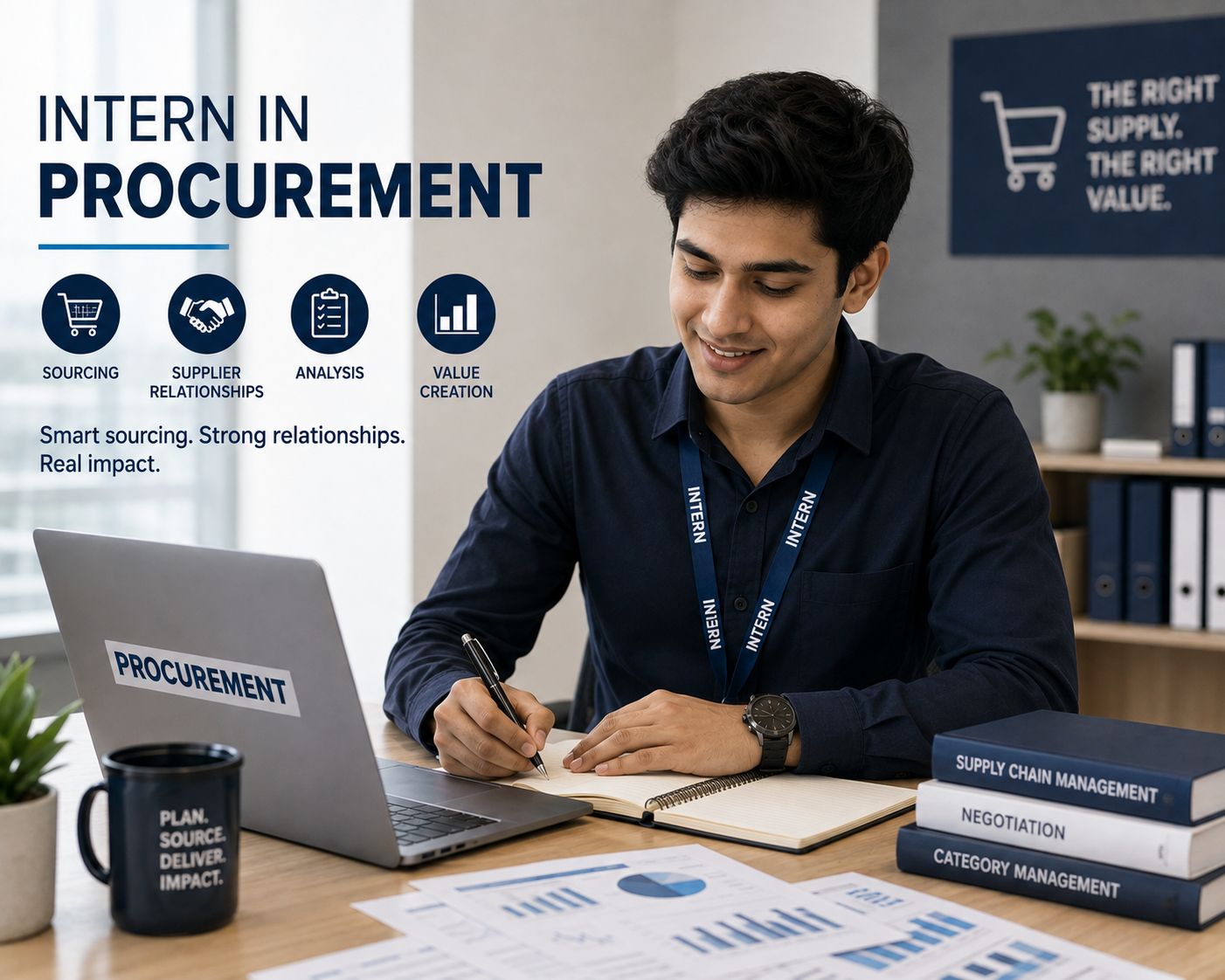

Procurement for the unenlightened: my experience as a Summer Intern with 7 Step Solutions
On my first morning at 7 Steps, I walked out of Waterloo Station with only a hazy idea of what procurement actually involved. I had searched for a definition of the industry beforehand, but the explanations I found were rather broad and unhelpful: full of vague jargon like ‘sourcing’ and ‘supplier management’ that told me nothing about what I would

10 Modern Challenges in Running Tender Processes
Good tendering practice hasn't changed much in decades. What's changed is the environment it now operates in. Here are ten challenges that are genuinely new, or newly intensified, in the last few years - and how to counter each one, whatever sector you're buying in. 1. AI-generated bidder responsesBidders now routinely run RFP questions through an LLM and submit fluent,
Tail Spend solutions – a platform or a service?
Ten separate client conversations in the last few weeks have started the same way: "We're not looking for yet another platform. We just need a partner to provide a service and help us get a handle on our Tail Spend." That's not a coincidence - it's a pattern worth naming. Tail Spend is often the least glamorous corner of procurement,