
Published on
1 November 2023
Read time
4 mins
Public sector procurement is a critical function that underpins the efficient delivery of public services and ensures taxpayer funds are spent wisely. In the wake of the UK leaving the EU, the UK Government has taken the opportunity to enhance transparency, competitiveness, and efficiency in the public sector through the introduction of the Procurement Act that was passed by the House of Lords earlier this week. This landmark legislation promises to bring significant changes and further shape the future of public sector procurement. Here, we explore the potential impact of the Act on public sector procurement in the UK.
A New Framework
The UK Procurement Act represents a comprehensive overhaul of public procurement regulations. It replaces the existing EU based framework and is designed to simplify the process, enhance transparency, and facilitate better value for taxpayers’ money. The Act looks to achieve these goals through several key provisions.
Streamlined Procurement Procedures
One of the central features of the Act is the simplification of procurement procedures. The Act aims to reduce red tape and administrative burdens, making it easier for public sector bodies to procure goods and services. Streamlined processes mean faster decision making and more agile responses to the changing needs of public services.
Enhanced Transparency
Transparency has been at the heart of public sector procurement for some time. The Act continues this trend, putting the requirement of publishing key data such as contract opportunities, award decisions and performance data as a cornerstone of public procurement. By providing greater access to this information, the Act enables stakeholders including the public, to access information about how public money is spent which enhances accountability across the sector.
Sustainability
The Act also continues to place a strong emphasis on sustainability in public procurement. It encourages public sector buyers to consider environmental and social factors when awarding contracts. This aligns with global efforts to address climate change, promote responsible sourcing and support ethical business practices.
Support for SMEs
Small and Medium Enterprises (SMEs) are the backbone of the UK economy. The Act recognises the importance of these organisations and looks to provide further opportunities for SMEs to compete for public contracts. This will be achieved through simplifying the procurement procedures and reserving contracts for SMEs which can stimulate local economies and foster entrepreneurship especially as the country continues to recover from the Covid-19 pandemic.
Anti-Corruption Measures
Corruption in public procurement is a significant concern and has been highlighted through several high-profile news stories of contract awards outside of the regulated Procedures in recent years.
The Procurement Act introduces robust anti-corruption measures, including conflict of interest rules and whistle-blower protection to safeguard the integrity of the procurement process.
Electronic Procurement
The Act continues to promote the use of electronic procurement systems, moving away from paper-based processes. This digital transformation can improve efficiency, reduce administrative costs, and provide real time monitoring of procurement activities.
The UK Procurement Act holds the potential to revolutionise public sector procurement. It aims to create a sustainable environment that is more agile, transparent, and sustainable which will benefit not only the public sector but its suppliers as well. However, there are challenges to overcome as it is implemented. Adapting to the new framework, ensuring compliance, and building capacity within public sector bodies are essential steps to realise the Act’s full potential.
The UK Procurement Act represents a pivotal moment in the evolution of public sector procurement in the UK. By streamlining processes, enhancing transparency, promoting sustainability and social value and supporting SMEs, it aims to create a procurement landscape that benefits not only the government but also the wider economy and society. While there may be challenges in transition, the Act has potential to reshape public sector buying, making it more efficient and accountable while delivering better value for money. As the Act comes into force next October and is embedded and matures, it has the potential to set new standards for procurement practices and positively impact the future of public services across the UK.
Article by Nikki Rowbottom - Senior Consultant 7SS
Latest news & insights


Tail Spend solutions – a platform or a service?
Ten separate client conversations in the last few weeks have started the same way: "We're not looking for yet another platform. We just need a partner to provide a service and help us get a handle on our Tail Spend." That's not a coincidence - it's a pattern worth naming. Tail Spend is often the least glamorous corner of procurement,
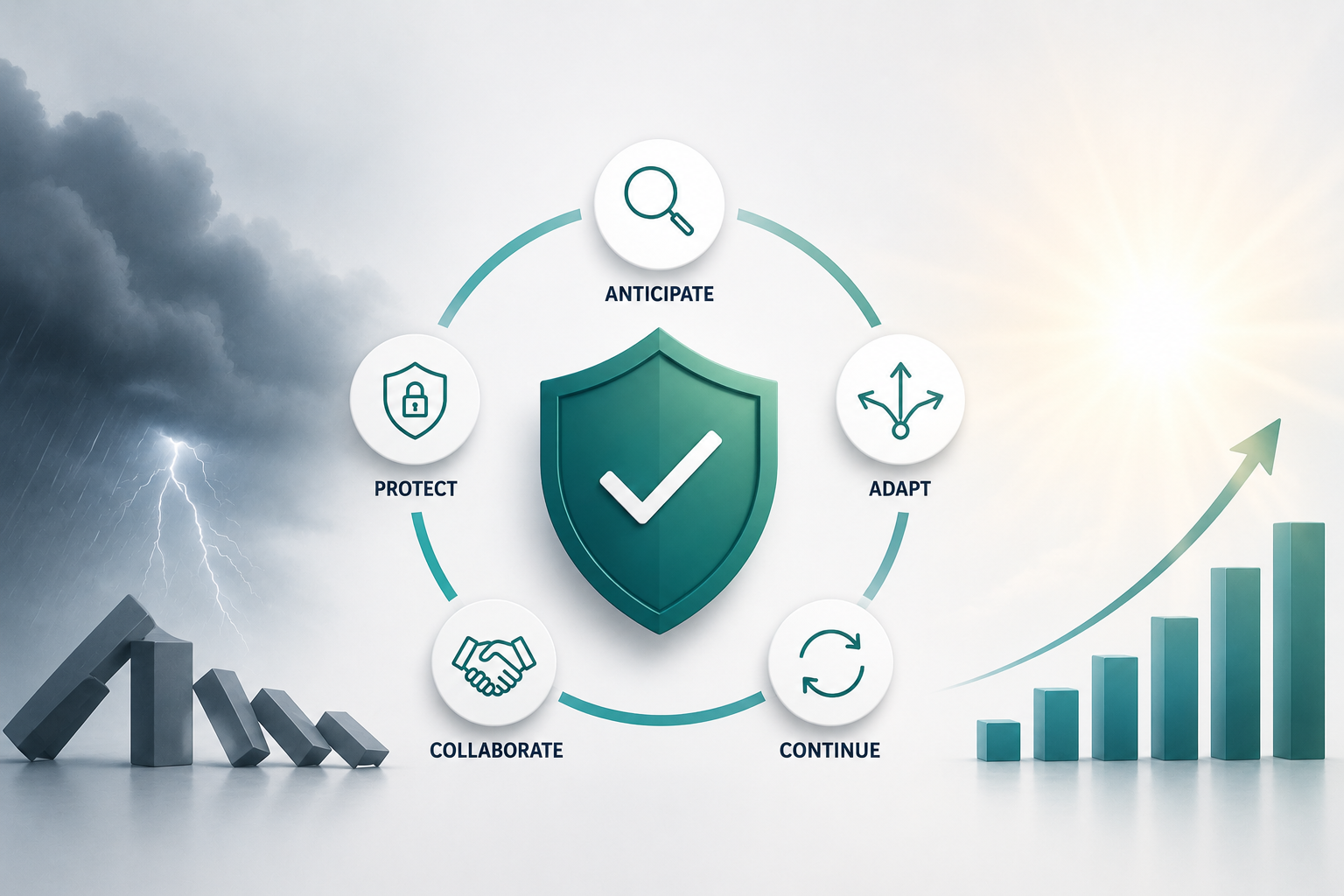
Procurement's Role in Operational Resilience
(and why most businesses are getting it wrong!) From Cost Control to Strategic Function Procurement is still too often treated as a cost-control function. Negotiate contracts, manage suppliers, drive savings, repeat. That model isn't just outdated, it's a liability. In today's operating environment, businesses that relegate procurement to a back-office function are quietly accumulating risk they can't see yet. What

When the Heat Is On: What the June 2026 Heatwave Reveals About Your Supply Chain
As temperatures across southern England breach 35°C and Amber Extreme Heat Warnings run through next week, procurement leaders need to ask a harder question than 'is our office cool enough?' The real exposure is in the supply chain and most organisations have little substantial knowledge of how vulnerable they are. Most business commentary will focus on workforce welfare - keeping