
Published on
18 May 2023
Read time
5 mins

Social value is one of our generation’s buzzwords, everyone is talking about it and businesses want to know how they can generate and use it to add to their customer base. Contrary to popular thinking, this isn’t a new concept, the Social Value Act came into being in 2013 and compelled public authorities to think about how their contracts can generate a benefit to the communities they serve. However, this did not have the impact the Government anticipated and coupled with the failure of large key public sector suppliers, led to the decision that all over threshold public sector procurements had a minimum weighting for social value from January 2021.
In these post Covid times, social value generation from all areas of business has never been more important. Generating social benefits for the community can only be the right thing to do, assisting young people in learning new skills and get jobs, supporting ex-service men and women into new careers, mothers back to employment, reducing carbon footprint, volunteering for local charities and events, investing and supporting local VCSE’s, the list is endless of how these benefits can be generated.
Social value is critical for businesses to win work in the public sector, where it is measured and evaluated as part of the tender. But it can also shine a light on the risk management of social, economic and environmental elements of a business, helping to strengthen these areas and make a business more sustainable.
At its core social value is looking at how non-financial value is generated, emphasising the impact a service has on a community or individual. For example, a large construction project will become very involved with their local community. For years, the construction industry have understood their impact and the disruption when they are present in a community. So they have focussed on how they can lessen their visible impact – cleaning the mud and dirt off the roads, not working early in the morning or late at night (although there are exceptions to this!) – and how they can add long term value to the community - donating funds to local charities and schools, adding parks and green areas to their construction plans. This helps the community to accept the short-term disruption but leaves a lasting legacy with that community. The children have a new park where they are safe and secure and can enjoy the outdoors and some physical activity, residents are not inconvenienced with early morning wakeups, or late night disruption when they are trying to sleep, they don’t need to spend their own money to clean mud off their cars from using the public roads. This is all social value in action and a bit of thought into what your impact is and how you can make it positive goes a long way.
Social value is intrinsically linked with Procurement. Every business uses a supply chain of some kind to deliver their goods and services and as Procurement hold that initial relationship with the supply chain, it seems natural that Procurement become social value champions. Procurement reach across all areas of a business, they talk to suppliers day in day out, negotiate deals, resolve problems, manage risk and understand the impact service delivery has. In short, Procurement hold a unique position within a business which gives them access to all areas which in turn enables them to add value, including social value, to the business operation.
From a supplier perspective, social value can be confusing. There is a lot of information available on what you can do and how you measure it. However, if you are looking to include a commentary or commitment in a tender to the public sector, you need to be familiar with the Public Sector Social Value model as this is what most authorities use to measure the commitment. You also need to be clear on how you will deliver the social value and how you will report on it, as it is likely that it will be embedded as a contractual commitment.
If you are wanting to present your social value to shareholders clients, your local community then clear governance and verification of your data is critical.
In summary, social value isn’t going to be an overnight phenomenon. Rightly, it is here to stay and you can use it to your advantage to gain business, demonstrate your commitment to your local area to your shareholders and employees and impress upon your consumers and potential clients and employees that you are a socially responsible business, and their business is in safe hands.
If you would like to know more about how to respond to social value questions in tenders, implement social value across your organisation and supply chain, instigate a governance mechanism to report your data, then get in touch. Our experts are ready to help!
Article by Nikki Rowbottom, 7 Step Solutions
Latest news & insights


Tail Spend solutions – a platform or a service?
Ten separate client conversations in the last few weeks have started the same way: "We're not looking for yet another platform. We just need a partner to provide a service and help us get a handle on our Tail Spend." That's not a coincidence - it's a pattern worth naming. Tail Spend is often the least glamorous corner of procurement,
Procurement's Role in Operational Resilience
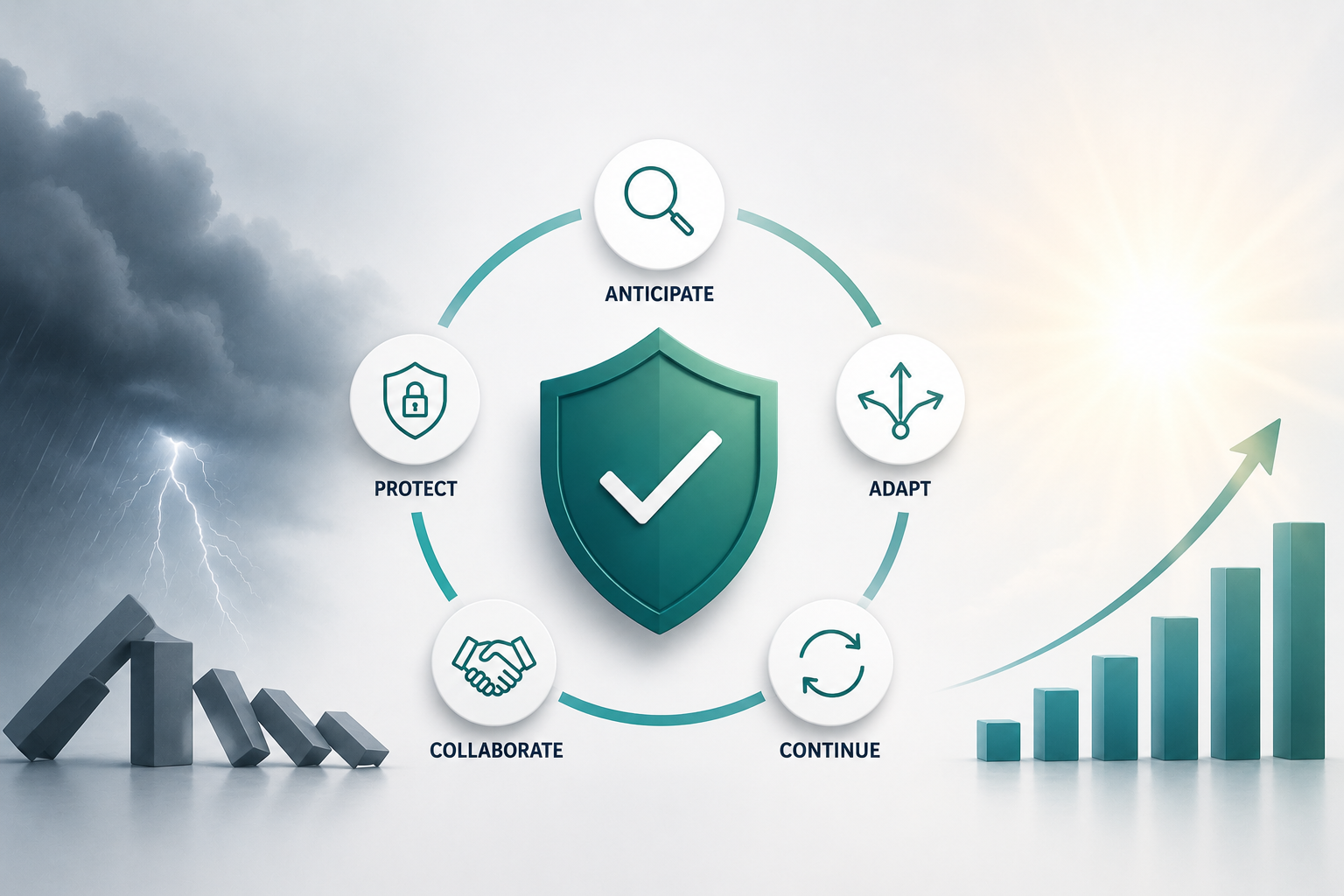
(and why most businesses are getting it wrong!) From Cost Control to Strategic Function Procurement is still too often treated as a cost-control function. Negotiate contracts, manage suppliers, drive savings, repeat. That model isn't just outdated, it's a liability. In today's operating environment, businesses that relegate procurement to a back-office function are quietly accumulating risk they can't see yet. What

When the Heat Is On: What the June 2026 Heatwave Reveals About Your Supply Chain
As temperatures across southern England breach 35°C and Amber Extreme Heat Warnings run through next week, procurement leaders need to ask a harder question than 'is our office cool enough?' The real exposure is in the supply chain and most organisations have little substantial knowledge of how vulnerable they are. Most business commentary will focus on workforce welfare - keeping