
Published on
20 July 2023
Read time
4 mins
In the globalised business landscape, our clients are continuously seeking ways to optimise their supply chains for better efficiency, cost reductions, and improved customer service. Over the past two decades, there has been a consistent trend in offshoring to distant geographies. This, primarily a consequence of organisations looking to leverage differences in labour, manufacturing, and raw material costs for the benefit of increasing margins.
However, in the recent few years, global disruptions have precipitated a significant shift in approach. In particular COVID-19 and an increased protectionist stance from leading global economies have led to a re-evaluation of supply chain strategies. An emerging approach of 'nearshoring', the process of shifting supply chain operations closer to the business's primary market, has picked up momentum. Nearshoring provides several benefits that can boost resilience and deliver substantial value to a business.
Primarily, nearshoring can bolster supply chain resilience by shortening and simplifying supply chains. This results in quicker lead times, faster deliveries, and reduced vulnerability to disruption from geopolitical events or global crises. When a supply chain is more localised, businesses can adapt more promptly and efficiently to unexpected occurrences, maintaining operational stability.
Importantly, speaking in particular about the UK, nearshoring presents unique benefits. By bringing operations closer to home, companies can benefit from more favourable trade agreements within the European Union or other nearby nations, potentially reducing tariffs and customs complexities.
Furthermore, nearshoring often fosters stronger collaboration between suppliers. This closer proximity allows for improved communication and greater transparency - vital qualities for an agile and reactive supply chain. Regular quality inspections and ongoing improvement initiatives can also be more easily facilitated, resulting in higher product quality and increased client satisfaction.
In the long run, nearshoring can also lead to cost reductions. While offshoring may offer cheaper labour costs upfront, there are often hidden expenses like transport fees, import duties, and costs associated with managing long-distance relationships and quality control. Nearshoring can minimise these costs, providing significant long-term benefits.
In addition to these benefits, nearshoring can also better align with a company's sustainability goals. Reduced transportation distances can decrease carbon emissions, helping businesses fulfil environmental commitments. Plus, businesses can more easily monitor and ensure their suppliers' practices align with their own sustainability initiatives.
Finally, nearshoring can bring companies closer to their customer base, allowing for quicker adaptation to changing market trends and customer preferences. It facilitates faster product development cycles and enables organisations to be more adaptive and customer-focused.
However, nearshoring is not a one-size-fits-all solution. The decision to nearshore should be taken after a thorough evaluation of the organisation's unique needs and context. Factors such as product or service type, supplier importance, labour costs, and the stability of the nearshore country should be taken into consideration.
In summary, nearshoring can significantly strengthen supply chain resilience and deliver value. Amid global uncertainties, transitioning towards nearshoring can be a strategic decision to foster more adaptive, reactive, and sustainable supply chains.
By understanding and weighing the benefits against potential risks, businesses can fully harness the opportunities nearshoring provides, building a resilient future that aligns with their operational, financial, and sustainability goals. For UK businesses, nearshoring also brings more favourable trade conditions, providing another compelling reason to consider this approach. For more information on this and how 7 Step Solutions can advise on any nearshore transition, please reach out to us for more details.
Latest news & insights


Tail Spend solutions – a platform or a service?
Ten separate client conversations in the last few weeks have started the same way: "We're not looking for yet another platform. We just need a partner to provide a service and help us get a handle on our Tail Spend." That's not a coincidence - it's a pattern worth naming. Tail Spend is often the least glamorous corner of procurement,
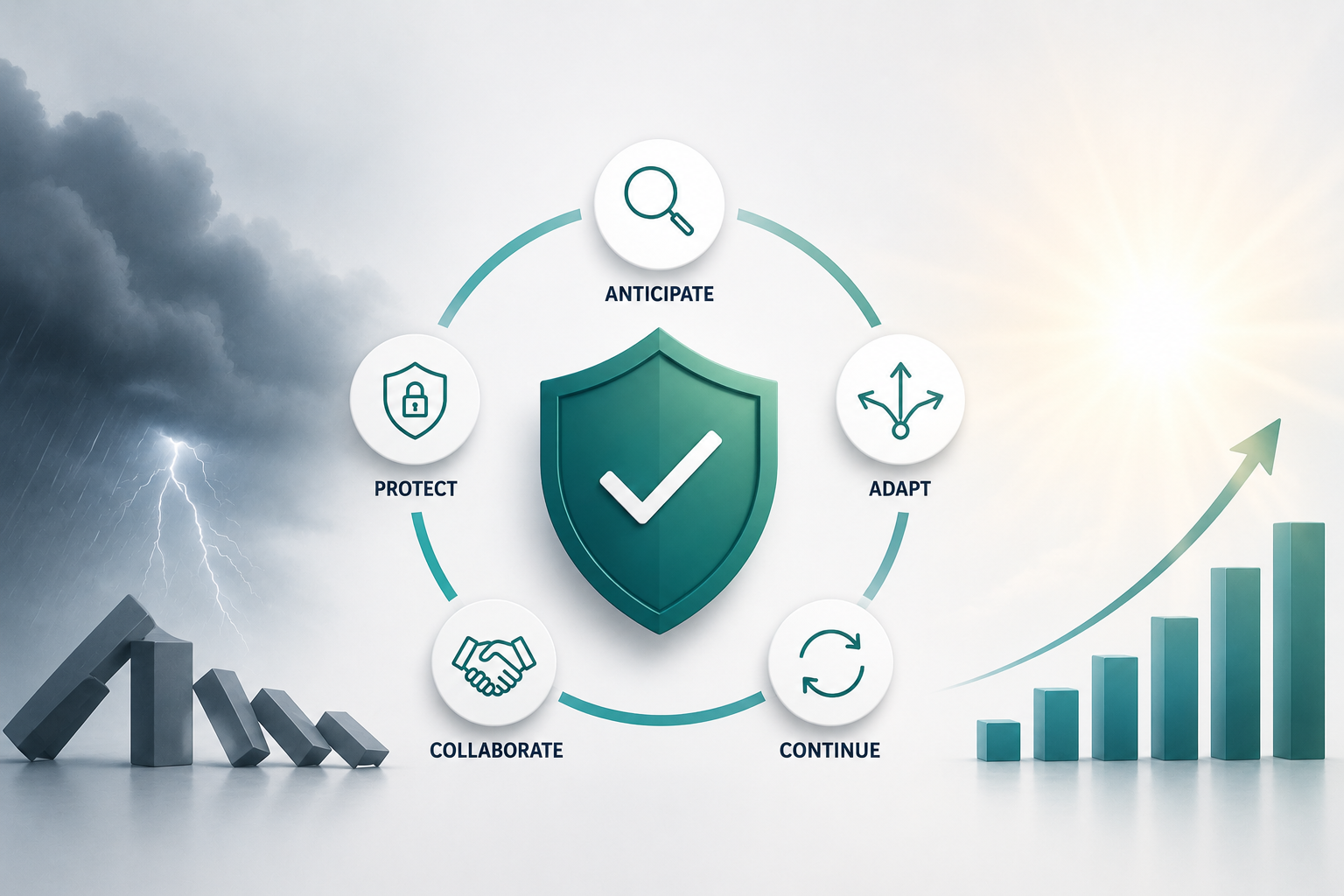
Procurement's Role in Operational Resilience
(and why most businesses are getting it wrong!) From Cost Control to Strategic Function Procurement is still too often treated as a cost-control function. Negotiate contracts, manage suppliers, drive savings, repeat. That model isn't just outdated, it's a liability. In today's operating environment, businesses that relegate procurement to a back-office function are quietly accumulating risk they can't see yet. What

When the Heat Is On: What the June 2026 Heatwave Reveals About Your Supply Chain
As temperatures across southern England breach 35°C and Amber Extreme Heat Warnings run through next week, procurement leaders need to ask a harder question than 'is our office cool enough?' The real exposure is in the supply chain and most organisations have little substantial knowledge of how vulnerable they are. Most business commentary will focus on workforce welfare - keeping