
Published on
4 March 2021
Read time
4 mins
So, as a business leader which of these statements are you closer to?
“To be honest before COVID we never had people working from home unless they were sick or snowed in. Call me old fashioned but I don’t agree with it. I think people need to get out of bed in the morning and go to a place of work and turn up on time.” Lord Sugar
“We are comfortable with some of our employees working from home forever. When we do decide to open offices, it won’t snap back to the way it was before. It will be careful, intentional, office by office and gradual.” Twitter boss Jack Dorsey
Whichever camp you lean towards, one thing is for certain, the COVID pandemic has made all of us re-evaluate how we work and the challenge for many companies as life begins to return to normal will be how to react to requests for more flexibility from the workforce without sacrificing productivity and the tangible benefits afforded by a collaborative workplace.
At 7 Steps we have discovered that many of our clients are implementing “hybrid working” strategies – in fact one client calls it “beehive working”, which cleverly positions the office as a central hub where people can come together to collaborate and share ideas whilst recognising that a lot of the essential work will take place outside the office or at home.
So, if your company is thinking of implementing such a strategy what are the key considerations?
Firstly – it must be the right solution for your organisation. Every company is different and understanding the work patterns for both individual employees and your key teams is critical in shaping the approach to hybrid working.
Commuting times, how you measure productivity, how often teams need to meet, how you do product innovation and the relationships between teams are all factors that need to be carefully analysed.
In particular, think carefully about both training and culture. Training isn’t just about learning processes and procedures – it’s about “the way we do things around here” and gaining inspiration from the leaders in the business. Can this be done effectively remotely?
And how do you build and reinforce the culture of the company in a half empty office where you only see your colleagues once every fortnight? Both these aspects also need to be considered in the context of each employee. An individual with a long commute and a settled family life might love the idea of only coming into the office once or twice a week but a younger city worker in their first or second job may crave the buzz of a busy office, the opportunities for learning and the social life that accompanies it.
We also need to consider how we support remote workers – what tools do they need, how can we help them be productive and communicate effectively and how do we ensure everyone in the organisation understands the relationship between trust and responsibility.
Finally think about your work environment. Is it still fit for purpose? You may need to change your current office design or think about moving to a new location. There could be significant cost saving opportunities if your strategy is executed well.
There are multiple factors to consider here that we are helping our clients to examine to gain positive outcomes. Reach out to us for further information
Latest news & insights


Tail Spend solutions – a platform or a service?
Ten separate client conversations in the last few weeks have started the same way: "We're not looking for yet another platform. We just need a partner to provide a service and help us get a handle on our Tail Spend." That's not a coincidence - it's a pattern worth naming. Tail Spend is often the least glamorous corner of procurement,
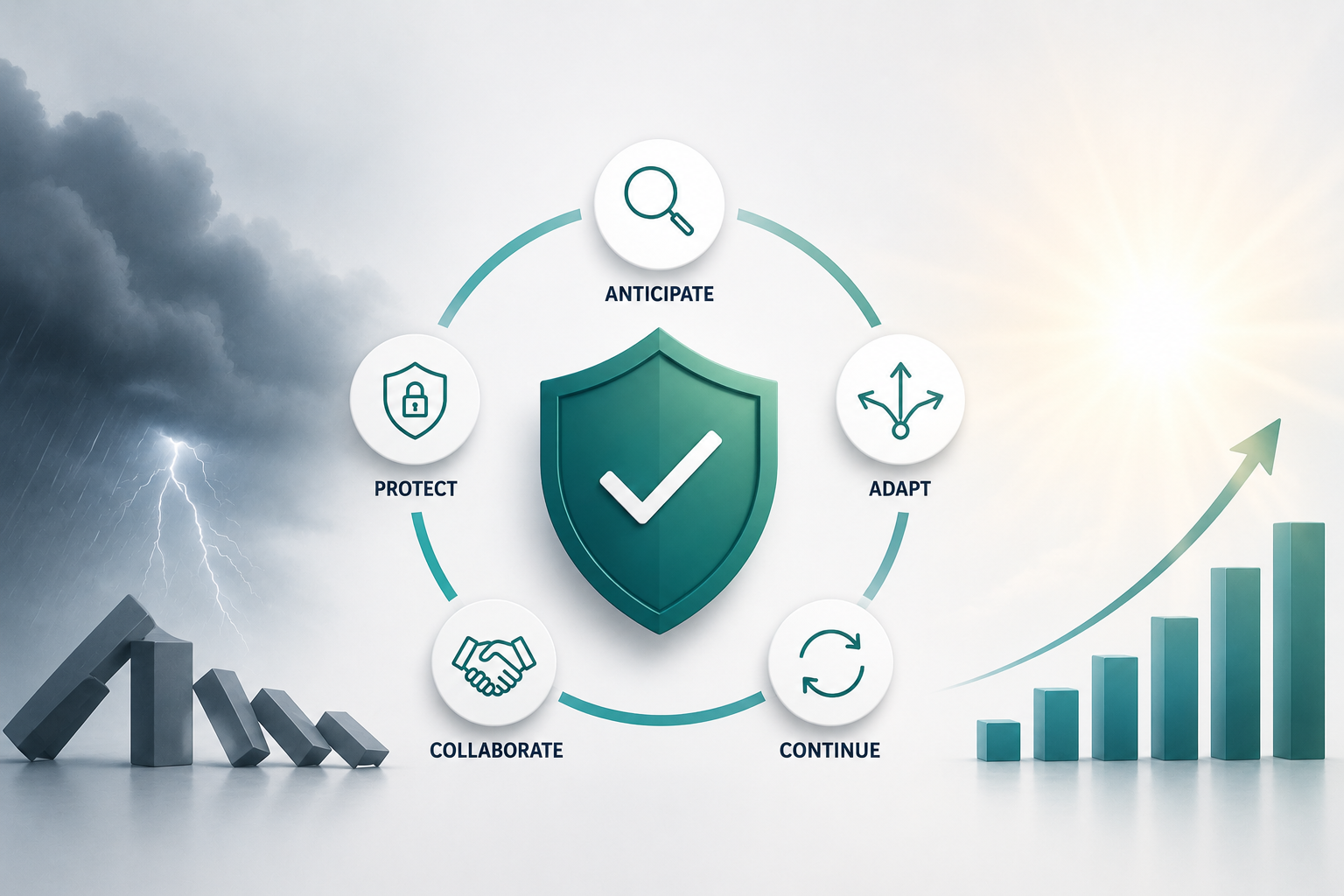
Procurement's Role in Operational Resilience
(and why most businesses are getting it wrong!) From Cost Control to Strategic Function Procurement is still too often treated as a cost-control function. Negotiate contracts, manage suppliers, drive savings, repeat. That model isn't just outdated, it's a liability. In today's operating environment, businesses that relegate procurement to a back-office function are quietly accumulating risk they can't see yet. What

When the Heat Is On: What the June 2026 Heatwave Reveals About Your Supply Chain
As temperatures across southern England breach 35°C and Amber Extreme Heat Warnings run through next week, procurement leaders need to ask a harder question than 'is our office cool enough?' The real exposure is in the supply chain and most organisations have little substantial knowledge of how vulnerable they are. Most business commentary will focus on workforce welfare - keeping