
Published on
13 June 2023
Read time
3 mins
As progressive strides continue to be made in integrating technological advancements into our daily work routines, it is evident that the rate at which this dissemination is occurring within Procurement and Supply Chain is on the rise. An example of the increasingly sophisticated tools being employed involves harnessing Predictive Analysis to uncover potential risks, fine-tune inventory levels, enhance supplier management, and optimise overall operational performance.
Demand forecasting and planning: Predictive analysis empowers organisations to forecast future demand with heightened accuracy. With substantial investments being made in digitalising operations, the volume and quality of data have seen a considerable surge - two crucial determinants of prediction accuracy. Cutting-edge tools merge historical sales data and customer behaviour with external factors such as market trends and fleeting impacts on the Supply Chain. Aligning products or services sourced with demand enables Procurement to optimise inventory levels, devise production schedules, and ensure the timely availability of the right products, consequently minimising stockouts and excess inventory.
Management of Supplier Performance: More effective analysis equips organisations to evaluate and monitor supplier performance effectively. Organisations can predict potential risks or issues by scrutinising supplier data, historical performance metrics, and market conditions. Procurement teams can then proactively manage suppliers, address potential disruptions and develop contingency plans while making well-informed decisions pertaining to supplier selection, negotiation, and contracting.
Risk Mitigation: Predictive analysis assists organisations in identifying and mitigating risks within the supply chain. Organisations can forecast potential disruptions and take preemptive measures by analysing historical data, market trends, and external factors like climate patterns or political events. This empowers procurement teams to create contingency plans, diversify supplier networks, and ensure uninterrupted business operations in the face of unforeseen circumstances.
Cost Optimisation: More mature tooling can identify opportunities to save costs in procurement and supply chain operations by forecasting future pricing trends, identifying cost drivers, and optimising sourcing strategies. This enables procurement teams to negotiate favourable terms with suppliers, explore alternative suppliers, and implement cost-saving initiatives, ultimately enhancing profitability.
Management of Supplier Relationships: Predictive analysis enhances the management of supplier relationships by offering insights into supplier behaviour and performance. Organisations can anticipate supplier behaviour, identify potential conflicts, and proactively address any issues by analysing supplier data and historical transaction patterns. This fosters stronger supplier relationships, encourages collaboration, and drives long-term value for both parties.
Supply Chain Optimisation: Fundamentally, predictive analysis optimises supply chain operations by identifying bottlenecks, improving process efficiency, and reducing lead times. By analysing data from various touchpoints across the supply chain, organisations can identify areas for improvement, optimise logistics routes, and streamline processes. This leads to enhanced customer service, reduced costs, and increased supply chain agility.
In conclusion, predictive analysis enhances procurement and supply chain operations by providing precise demand forecasts, optimising inventory levels, improving supplier performance management, mitigating risks, optimising costs, fostering supplier relationships, and improving overall supply chain operations. For more information on this and how 7 Step Solutions can guide your Procurement function into the future, please reach out to us for more details.
Latest news & insights


Tail Spend solutions – a platform or a service?
Ten separate client conversations in the last few weeks have started the same way: "We're not looking for yet another platform. We just need a partner to provide a service and help us get a handle on our Tail Spend." That's not a coincidence - it's a pattern worth naming. Tail Spend is often the least glamorous corner of procurement,
Procurement's Role in Operational Resilience
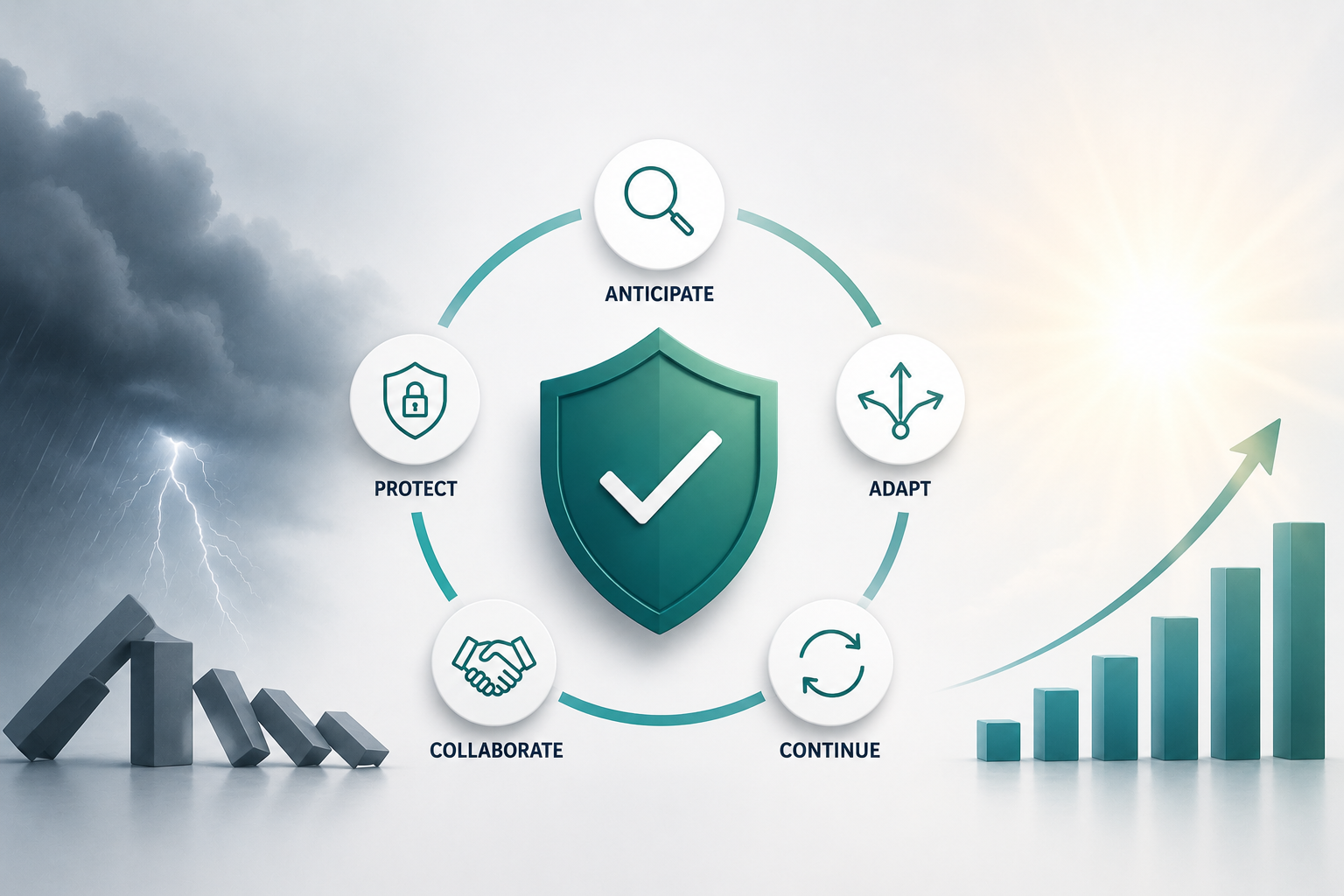
(and why most businesses are getting it wrong!) From Cost Control to Strategic Function Procurement is still too often treated as a cost-control function. Negotiate contracts, manage suppliers, drive savings, repeat. That model isn't just outdated, it's a liability. In today's operating environment, businesses that relegate procurement to a back-office function are quietly accumulating risk they can't see yet. What

When the Heat Is On: What the June 2026 Heatwave Reveals About Your Supply Chain
As temperatures across southern England breach 35°C and Amber Extreme Heat Warnings run through next week, procurement leaders need to ask a harder question than 'is our office cool enough?' The real exposure is in the supply chain and most organisations have little substantial knowledge of how vulnerable they are. Most business commentary will focus on workforce welfare - keeping