
Published on
1 April 2021
Read time
4 mins
Businesses around the world are forced to make key decisions regarding all manner of topics on an everyday basis. However, any changes are likely to affect stakeholders across the entire company, so it is vital to have sufficient stakeholder engagement in place.
On a basic level, stakeholder engagement is the process in which organisations involve their employees, but also their clients and customers who could be affected by decisions that a business makes.
At 7SS we believe that stakeholder engagement can be used efficiently in the implementation of ideas, as holding this power can influence key players who hold decision making abilities within any given business.
Stakeholder engagement in the procurement industry
In procurement terms, stakeholder engagement is critical at all levels. It is used primarily to gain knowledge, understanding and ideas from key individuals within the organisation.
Procurement in some organisations does not have engagement with the business, therefore, can lead to misaligned goals and ultimately a poor operating procurement function.
Engaging with the internal stakeholders can ensure procurement functions gain understanding of strategic / business needs & issues. This can then support develop an approach to add value whether that be via enhanced customer / service offerings, cost savings or conduct / compliance enhancements.
Procurement teams also have to be able to listen to the stakeholders whom they are engaging with, and be ready to sell back ideas that support their needs / challenges.
Key principles to adhere to in stakeholder engagement
At 7SS we believe there are a number of key principles to ensure successful stakeholder engagement.
1) Know your customer (or stakeholder!)
Without a business that is engaged an indirect procurement function is meaningless. It is critical that in procurement, individuals can identify who the key business stakeholders are. By getting to know them, you can get a clear understanding of what drives their business, what their needs are and what they influence across the organisation.
2) Proactive, early engagement at the right level
Essentially, the earlier you can engage with the key stakeholders the better the outcome. However, even better is to be deemed a commercial extension of their team. As part of a jointly developed strategic procurement plan, you naturally gain their participation in negotiations and decision-making.
Senior members will have a higher level of influence, so by getting the more experienced individual on board at an early stage, will support to add greater value and influence.
3) Listen
7SS believe it's critical that procurement teams listen to their stakeholders in order to deliver a service that aligns to their business goals.
From a procurement perspective, acknowledging and then being able to deliver on stakeholder input is key to driving success. Procurement driving its own agenda, from our experience, often fails
4) Communication
For many years, 7SS has worked on the premise the best procurement people, as well as being knowledgeable about their category of expertise, need to be great communicators and sales people too.
Procurement teams need to be able to understand their procurement categories, the supply markets that underpin them and how how they impact/can support the business areas within the organisation. They then, often, need to sell the advantages of these solutions to the business.
Having a positive working relationship with stakeholder’s and being able to sell the value of good procurement means the overall output will be of higher value.
Latest news & insights


Tail Spend solutions – a platform or a service?
Ten separate client conversations in the last few weeks have started the same way: "We're not looking for yet another platform. We just need a partner to provide a service and help us get a handle on our Tail Spend." That's not a coincidence - it's a pattern worth naming. Tail Spend is often the least glamorous corner of procurement,
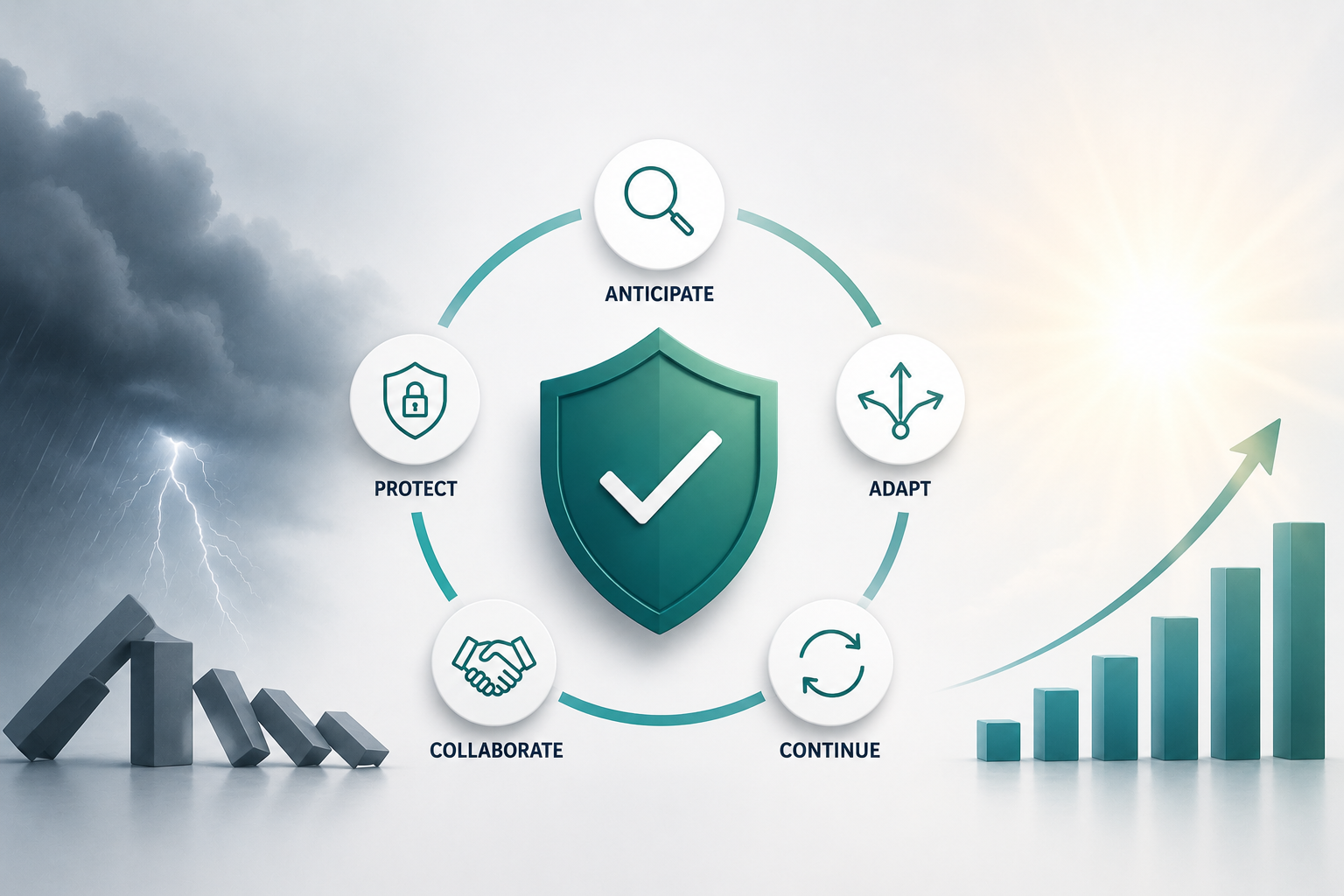
Procurement's Role in Operational Resilience
(and why most businesses are getting it wrong!) From Cost Control to Strategic Function Procurement is still too often treated as a cost-control function. Negotiate contracts, manage suppliers, drive savings, repeat. That model isn't just outdated, it's a liability. In today's operating environment, businesses that relegate procurement to a back-office function are quietly accumulating risk they can't see yet. What

When the Heat Is On: What the June 2026 Heatwave Reveals About Your Supply Chain
As temperatures across southern England breach 35°C and Amber Extreme Heat Warnings run through next week, procurement leaders need to ask a harder question than 'is our office cool enough?' The real exposure is in the supply chain and most organisations have little substantial knowledge of how vulnerable they are. Most business commentary will focus on workforce welfare - keeping