
Published on
17 June 2024
Read time
4 mins

Everybody who works in procurement will know the pain of being told “we need you to source this for us and we need it by next week”. Rarely are procurement departments given enough time to effectively source new requirements, ensuring perspective suppliers meet the strategic and operational needs of the wider business. Quite often, last minute deadlines force buyers into a panic, contacting as many known suppliers as possible, either at a local or national level who may be able to meet the specific requirements of the customer. Other times, buyers may feel they are purchasing in an area outside of their specialism, with no real background knowledge on competitive rates or how some functions operate. This can lead to poor outcomes, both for buyer and supplier, therefore, procurement departments should be armed with any tool that can streamline the mundane and advise in the strategic. One such tool is Generative AI (Gen AI).
So what is Gen AI
Gen AI as a concept has been around since the 1950s, however, has come to much more prominence over the last few years, with the emergence of Open AI’s GPT-3 model, as well as other major tech companies such as Microsoft and Google providing their alternatives. The main function of these platforms is to generate content such as text and images for users, while absorbing patterns and user inputs to provide data which matches. These tools have become increasingly more popular and have a practical application in most sectors, however, for procurement departments, they can streamline processes while informing buyers.
By leveraging Gen AI in the sourcing process, buyers can unveil market trends and even get estimate rates which enables effective supplier benchmarking. This is incredibly useful for procurement departments working with requirements outside their specialism, as well as ensuring that the business does not sign up for something that will become obsolete in the near future. Gen AI can also aid with supplier background checks and enable buyers to understand if a supplier matches the ethics and vision of its own organisation.
Spend analytics underpin the framework of all good procurement activity, however, trends can sometimes be difficult to spot. This is also somewhere that Gen AI can assist procurement departments. By identifying trends at the category, sub-category and supplier levels, procurement teams can be much more informed with their strategies, whether it be cost-reduction, supplier rationalisation or sustainability.
Every organisation should have a suite of templates for new requirements, however, often these are not fit for purpose or do not match the specific requirement, leading to hours wasted creating new templates to go to market. Gen AI’s capabilities mean that it is able to understand your requirements and create templates that match in seconds, leaving procurement more time to work on the more complex and strategic elements of sourcing.
Overall, Gen AI is a tool that all procurement departments should investigate and leverage. It can not only free up time but help inform decision making. However, be wary, Gen AI is realistically still in its infancy and should not be relied upon as the silver bullet to all sourcing activity. However, by leveraging it in tandem with individuals who understand the process and the required outcomes, it can create powerful results that drive operational excellence.
Article by Charlie Wheeler-Jones - Consultant - 7 Step Solutions
Latest news & insights


Tail Spend solutions – a platform or a service?
Ten separate client conversations in the last few weeks have started the same way: "We're not looking for yet another platform. We just need a partner to provide a service and help us get a handle on our Tail Spend." That's not a coincidence - it's a pattern worth naming. Tail Spend is often the least glamorous corner of procurement,
Procurement's Role in Operational Resilience
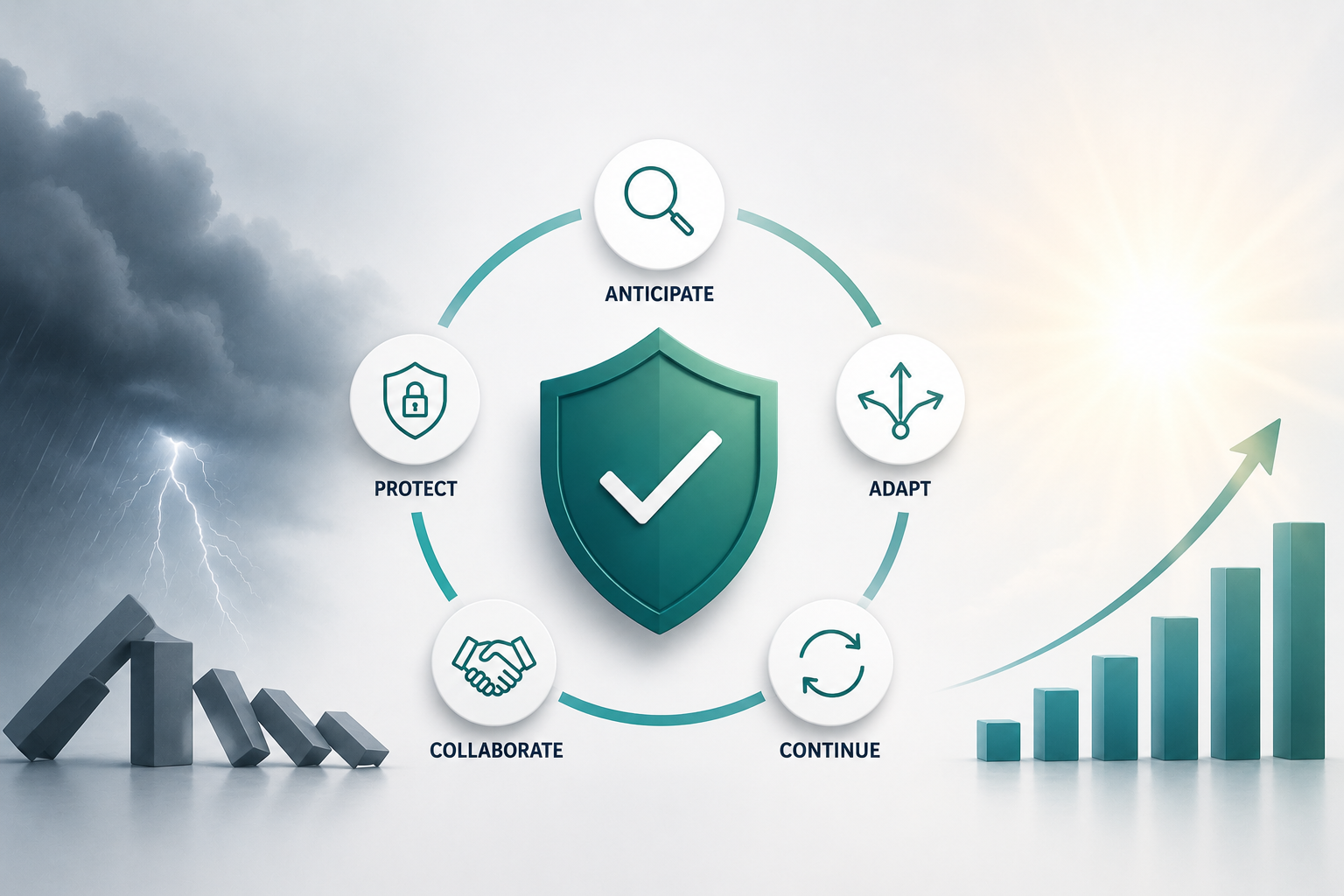
(and why most businesses are getting it wrong!) From Cost Control to Strategic Function Procurement is still too often treated as a cost-control function. Negotiate contracts, manage suppliers, drive savings, repeat. That model isn't just outdated, it's a liability. In today's operating environment, businesses that relegate procurement to a back-office function are quietly accumulating risk they can't see yet. What

When the Heat Is On: What the June 2026 Heatwave Reveals About Your Supply Chain
As temperatures across southern England breach 35°C and Amber Extreme Heat Warnings run through next week, procurement leaders need to ask a harder question than 'is our office cool enough?' The real exposure is in the supply chain and most organisations have little substantial knowledge of how vulnerable they are. Most business commentary will focus on workforce welfare - keeping