
Published on
7 May 2024
Read time
2 mins

In today’s competitive business landscape, controlling external spend has emerged as a critical strategy for organisations aiming to optimise their operational efficiency and enhance profitability.
External spend, which encompasses all payments made to outside entities for goods, services, and other expenditures necessary for day-to-day operations, can significantly impact a company's bottom line. Effective management of these expenditures is not just about cost-cutting but about making strategic choices that align with the organisation's overall goals and objectives.
The importance of controlling external spend lies in its direct correlation with financial health and operational sustainability. By closely monitoring and managing these costs, companies can identify areas of unnecessary expenditure and redirect resources towards more strategic initiatives. This can lead to improved cash flow, which is vital for the smooth operation of any business.
Moreover, a focused approach to managing external spend can foster more productive relationships with suppliers, encouraging better terms and conditions, improved quality of goods and services, and innovation.
In an era where transparency and corporate responsibility are increasingly under the spotlight, effective spend management can also enhance a company’s reputation. By ensuring that external spending aligns with ethical sourcing and sustainability practices, companies can demonstrate their commitment to social responsibility, which is highly valued by consumers, investors, and other stakeholders.
In conclusion, controlling external spend is not just a financial imperative but a strategic necessity that can shape a company’s future, making it essential for businesses to invest in robust spend management practices and tools.
Article by Senior Consultant, Richard Fotheringham - 7 Step Solutions
Latest news & insights


Tail Spend solutions – a platform or a service?
Ten separate client conversations in the last few weeks have started the same way: "We're not looking for yet another platform. We just need a partner to provide a service and help us get a handle on our Tail Spend." That's not a coincidence - it's a pattern worth naming. Tail Spend is often the least glamorous corner of procurement,
Procurement's Role in Operational Resilience
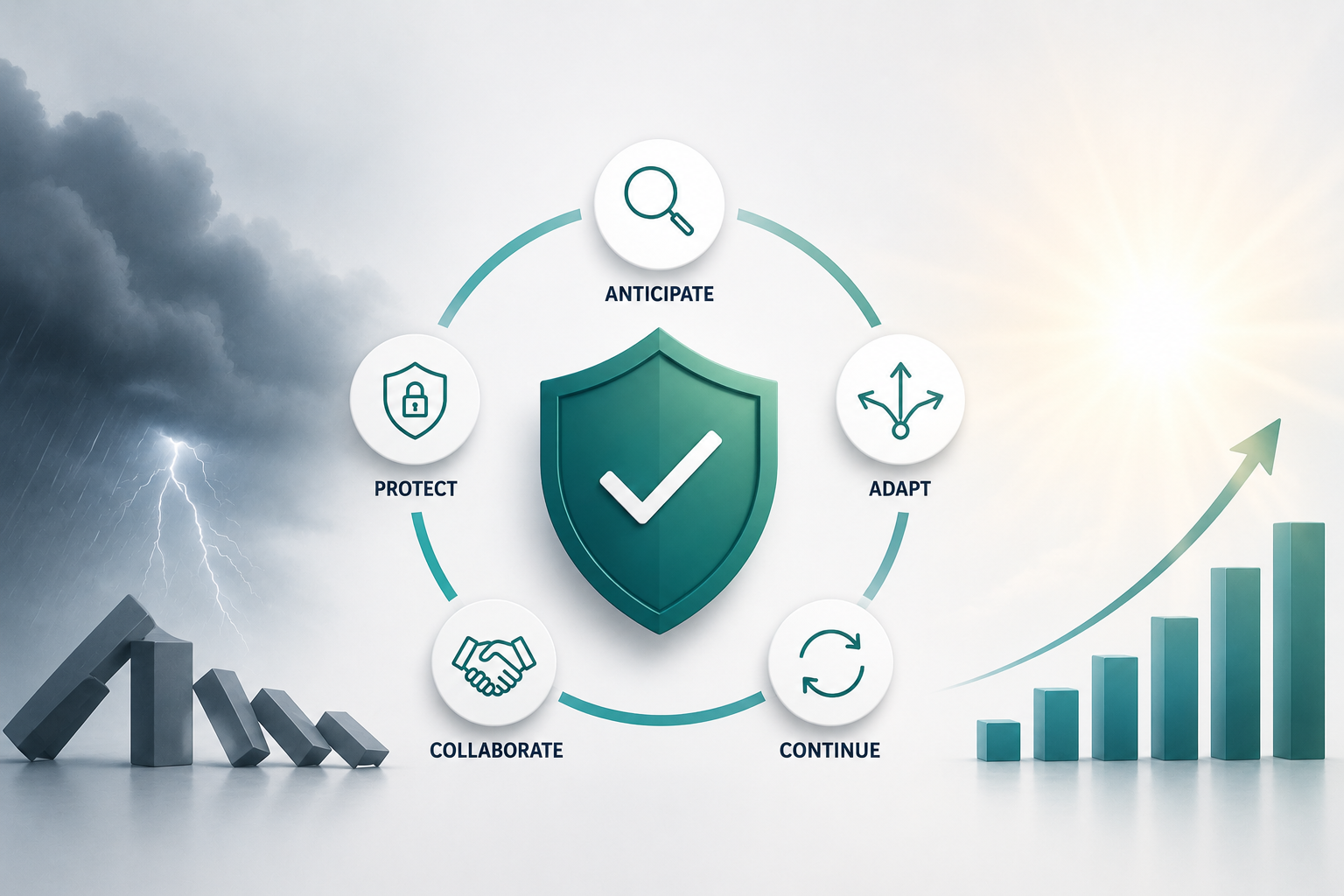
(and why most businesses are getting it wrong!) From Cost Control to Strategic Function Procurement is still too often treated as a cost-control function. Negotiate contracts, manage suppliers, drive savings, repeat. That model isn't just outdated, it's a liability. In today's operating environment, businesses that relegate procurement to a back-office function are quietly accumulating risk they can't see yet. What
When the Heat Is On: What the June 2026 Heatwave Reveals About Your Supply Chain
As temperatures across southern England breach 35°C and Amber Extreme Heat Warnings run through next week, procurement leaders need to ask a harder question than 'is our office cool enough?' The real exposure is in the supply chain and most organisations have little substantial knowledge of how vulnerable they are. Most business commentary will focus on workforce welfare - keeping