
Published on
30 May 2024
Read time
4 mins

I hear a lot about due diligence and how important it's becoming. I disagree with this sentiment; it has always been important. As someone who has worked in the public sector for over a decade, due diligence in the supply chain has always been critical to ensure reliability and transparency. Many perceived it as an inconvenience, but the information was collected, analysed and came in handy to mitigate many a financial risk.
So why is it suddenly getting more of a focus? Well, this is quite simple. Since Covid-19 exposed flaws and issues through many supply chains, with a lot of organisations still feeling the impact today, Procurement teams are turning to their due diligence as a way of mitigating those risks and issues from reoccurring. Covid-19 exposed the more global nature of supply chains and how geopolitical factors, economic fluctuation and natural disaster can have on what was considered a simple process.
Researching, identifying and mitigating these risks before a supplier has even started working with you and more importantly, keeping that information up to date, means you are on top of any arising situations such as insolvency, geopolitical tensions and can ensure you give your business continuity and minimise disruptions.
Covid- 19 also shone a spotlight on how many organisations relied on a single source for essential materials. Implementing due diligence has helped to diversify the supplier base, identify alternative sources and cultivate those critical relationships putting more resilience through the supply chain.
Due diligence also helps to meet the ever changing and complex issue of compliance – this is why the public sector have had this for many years and are pretty good at the data they collect and how it is used. Non-compliance can result in law suits, fines, reputational damage, sometimes even the end of operations. Due diligence doesn’t have to be complex and difficult but used effectively, it will help ensure this tricky compliance landscape is navigated well. ESG plays into this area in a big way too.
Modern consumers are very conscious of the ethical and social implication of what they buy and many graduates looking for jobs have strong ESG practices on their list of organisations they want to be associated with. Lack of compliance with unethical practices, like child labour, environmental issues and unfair working practices will have a huge impact on an organisations reputation and will today, lead to a loss of customer base and likely employees as well. Good due diligence will guard against these issues, highlighting where the focus needs to be and how organisations can help improve the communities they operate in, thereby attracting new employees and customers who share the same values.
Due diligence also encompasses quality assurance – access to audit your suppliers and their practices and their quality processes will give you the information you need to satisfy stakeholders that quality is high on the agenda and actively monitored. This can lead to increased brand loyalty from consumers as your reliability and consistency increases.
Putting in place monitoring on these areas can provide cost savings in the long run, financial stability for suppliers is a key area for many businesses especially those still recovering from the Covid-19 pandemic. Using this information can improve stability, efficiency and gaining cost effective pricing can enhance your supplier relationships. Overall, this will give your organisation a competitive advantage in the markets you operate in attracting more customers, a wider pool of potential employees and other stakeholders who share the same values.
So why should you be doing due diligence? It’s a safeguard against various risks, helps to maintain compliance with laws and ethical standards, enhances your resilience, ensures quality outputs, can deliver cost savings and give you an edge over your competition. Simple really!
Article by Nikki Rowbottom - Senior Consultant - 7 Step Solutions
Latest news & insights


Tail Spend solutions – a platform or a service?
Ten separate client conversations in the last few weeks have started the same way: "We're not looking for yet another platform. We just need a partner to provide a service and help us get a handle on our Tail Spend." That's not a coincidence - it's a pattern worth naming. Tail Spend is often the least glamorous corner of procurement,
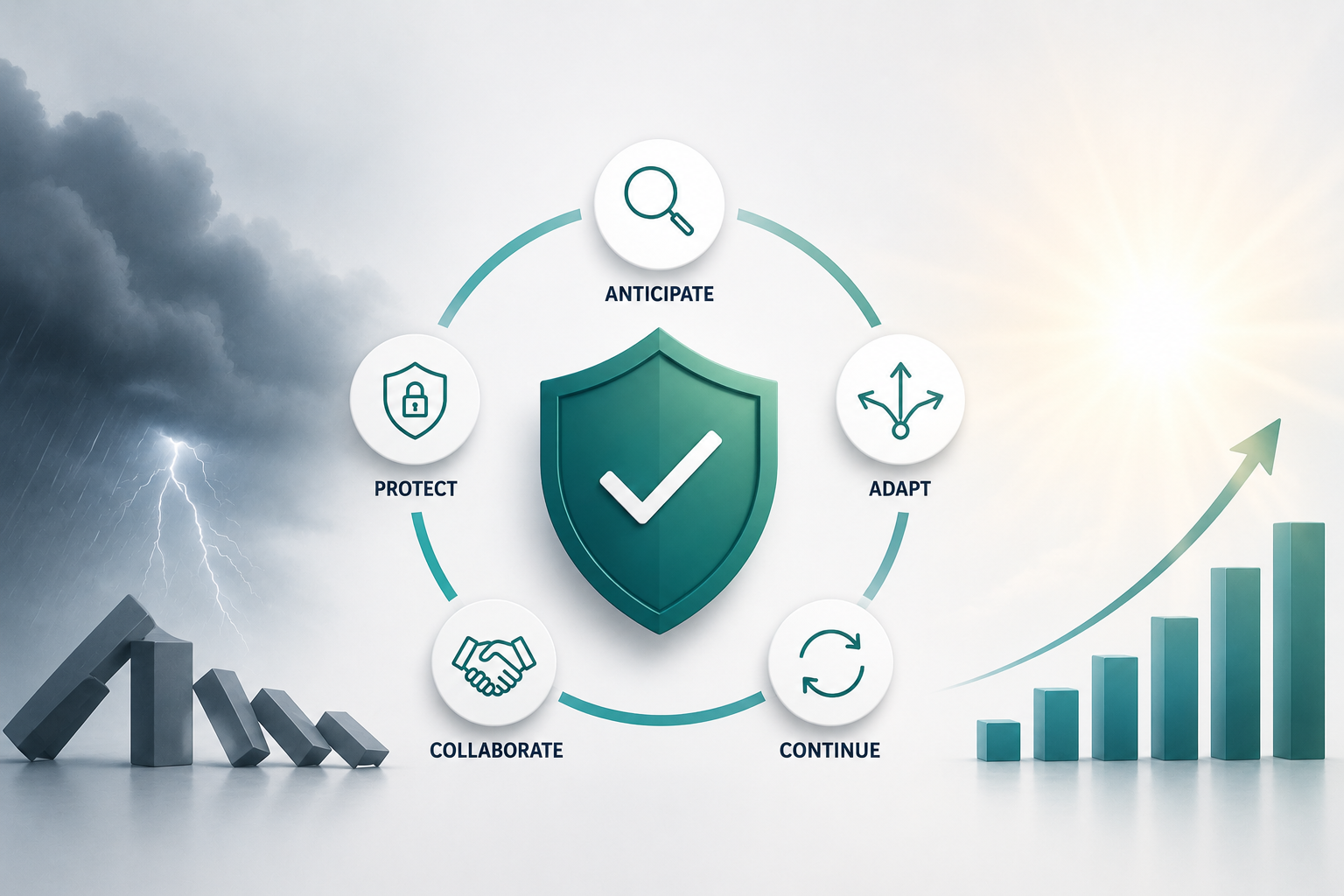
Procurement's Role in Operational Resilience
(and why most businesses are getting it wrong!) From Cost Control to Strategic Function Procurement is still too often treated as a cost-control function. Negotiate contracts, manage suppliers, drive savings, repeat. That model isn't just outdated, it's a liability. In today's operating environment, businesses that relegate procurement to a back-office function are quietly accumulating risk they can't see yet. What

When the Heat Is On: What the June 2026 Heatwave Reveals About Your Supply Chain
As temperatures across southern England breach 35°C and Amber Extreme Heat Warnings run through next week, procurement leaders need to ask a harder question than 'is our office cool enough?' The real exposure is in the supply chain and most organisations have little substantial knowledge of how vulnerable they are. Most business commentary will focus on workforce welfare - keeping