
Published on
25 April 2022
Read time
5 mins
Software as a Service, also know as SaaS. It is a cloud-based service where instead of downloading software to your desktop PC or business network to run and update, you instead access an application via an internet browser.
This is becoming prevalent in the software world with more and more vendors moving to product rich features only into their SaaS offerings rather than the traditional perpetual on-premise licensing model.
SaaS includes some real key advantages including accessibility when not connected to corporate internet or VPN’s (specifically helpful with a workforce that may now be mainly home-based), compatibility with multiple operating systems and internet browsers, and scalability allowing usage to ramp up or down, quickly.
As more and more businesses adopt a movement towards cloud, at 7 Step Solutions, we have given five simple ways to ensure that your SaaS base is optimised to ensure that the benefits are not outweighed by a costly contract.
- Understand License Types: Vendors have multiple different license models starting with named-user or concurrent users, of which both have benefits. Concurrent licenses allow you to buy less licenses and use them in a pool, which is perfect for shift workers or when demand generally fluctuates for the system. Named users, the more traditional approach, requires each user to have a license regardless of their usage. This can be managed, however, by turning users on or off, but requires on-going license management. License types also includes different privileges and access in the system, which usually carry different ranging costs. Therefore, understanding what your users need to do inside the system, can help to save considerable license costs.
- The longer the contract the cheaper the price, right? Not always. Contract length does play a considerable role in getting a cheaper SaaS deal, not only for the multi year discounts, but also it assists from subscription cost increases. On average software vendors increase prices from 4-15% year-on-year. This may be an intangible benefit that is not being captured. It is worth remembering though, most software vendors will expect payment, in full, in advance, so they can recognise the revenue. Therefore, it is worth noting early with the vendors, the expectation is for monthly payment. This allows for negotiation around annual up front and full contract value up-front payments, which could be given in return for a discount.
- Less is more: Unfortunately, this is not always the case. Sometimes with SaaS, purchasing more licenses than is required may carry substantial benefit, especially if your volume is close to the next discount bracket. License brackets play a large role in pricing. In general, the more licenses you buy, the cheaper the per license price becomes. Understand the license brackets that software vendors operate to, including how far away you are from the next bracket, then align back to the future business requirements.
- Shrinkage / True Up. True up is a clause in most SaaS deals that allows vendors to charge for additional licenses being consumed that have not been formally purchased, this could be monthly, quarterly or annually. This may also mean backward charging for a period of time in more aggressive true up clauses. This should be understood and negotiated on and is particularly important on a named-user license model. Shrinkage is the opposite but works in the contracting organisations favour and is often overlooked.
- Shadow IT: Organisations manage IT differently. Where IT is centrally managed, Shadow IT is usually less of a problem. However, if a business has multiple divisions that have their own autonomy over IT requirements, multiple systems could be undertaking the same task, specifically when there is a gap in requirements across the organization as a whole. A good example of this is a CRM system, multiple divisions could have their own CRM. By consolidating doesn’t just allow for license volume discounts, it also gives opportunity to rationalise systems within an organisation, gain consistent SLA’s, ensure cyber security postures, improve end user experience and drive standardisation which all lead to efficiency and a greater optimisation.
These are simple and effective items to consider when agreeing a new SaaS deal or even a renewal but there are many, many more. If you would like to discuss any of the above further, or unlock the full list, please get in touch with us #7SS
Latest news & insights


Tail Spend solutions – a platform or a service?
Ten separate client conversations in the last few weeks have started the same way: "We're not looking for yet another platform. We just need a partner to provide a service and help us get a handle on our Tail Spend." That's not a coincidence - it's a pattern worth naming. Tail Spend is often the least glamorous corner of procurement,
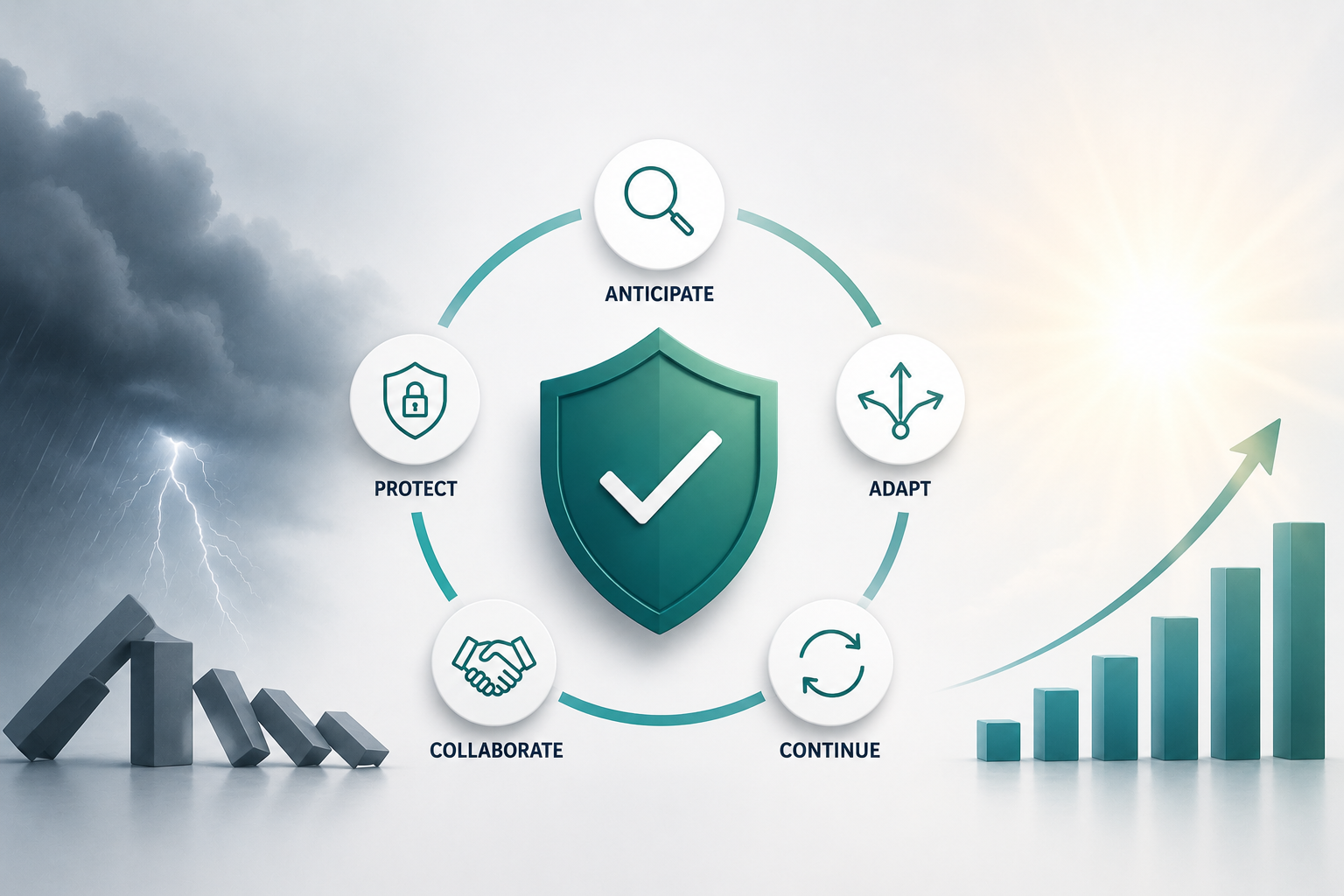
Procurement's Role in Operational Resilience
(and why most businesses are getting it wrong!) From Cost Control to Strategic Function Procurement is still too often treated as a cost-control function. Negotiate contracts, manage suppliers, drive savings, repeat. That model isn't just outdated, it's a liability. In today's operating environment, businesses that relegate procurement to a back-office function are quietly accumulating risk they can't see yet. What

When the Heat Is On: What the June 2026 Heatwave Reveals About Your Supply Chain
As temperatures across southern England breach 35°C and Amber Extreme Heat Warnings run through next week, procurement leaders need to ask a harder question than 'is our office cool enough?' The real exposure is in the supply chain and most organisations have little substantial knowledge of how vulnerable they are. Most business commentary will focus on workforce welfare - keeping