
Published on
22 June 2023
Read time
3 mins
In today's data-driven world, organisations across industries are realising the immense potential of leveraging data to inform decision-making and drive strategic initiatives. Procurement, being a critical function within any organisation, can significantly benefit from harnessing the power of data. By utilising it effectively, procurement professionals can gain valuable insights, optimise processes, mitigate risks, and ultimately elevate their procurement strategy to new heights of success.
Data serves as the foundation for informed decision-making in procurement. By collecting, analysing, and interpreting relevant data points such as invoices and purchase orders, procurement professionals can gain deep insights into their supplier base, market trends, pricing patterns, and overall procurement performance. This strategic decision making based on accurate and up-to-date information can also empower organisations to optimise supplier selection and performance.
By leveraging insight on supplier performance metrics, historical transaction data, and feedback from stakeholders, procurement professionals can identify top-performing suppliers and establish strategic partnerships. Furthermore, data analysis can help identify underperforming suppliers, enabling organisations to take proactive measures to address issues, improve collaboration, and drive supplier performance improvement.
Accurate demand forecasting is crucial for effective procurement. By analysing historical data, market trends, customer behaviour, and other relevant factors, procurement professionals can make data-driven predictions regarding future demand patterns. This enables organisations to optimise inventory levels, plan production schedules, and ensure timely availability of materials, and minimise risks such as stockouts and reducing carrying costs.
Data and insight can also help mitigate supply chain risks such as disruptions, supplier financial instability, and geopolitical factors. Through data analysis and real-time monitoring, procurement professionals can identify potential risks, assess supplier reliability, and proactively develop contingency plans. By leveraging data-driven insights, organisations can minimize the impact of disruptions and maintain continuity in their supply chains.
Finally, data-driven procurement strategies enable organisations to continuously improve and optimize their procurement processes. By capturing and analysing insight related to spend patterns, pricing trends, and contract performance, procurement professionals can identify opportunities for cost reduction and negotiate favourable terms with suppliers. Additionally, analysis helps identify inefficiencies, bottlenecks, and areas for process improvement, allowing organisations to streamline operations and enhance overall procurement effectiveness.
In the era of digital transformation, organisations cannot afford to overlook the power of data in driving their procurement strategy. If you would like to have further conversations around utilising your data to improve your procurement performance, feel free to reach out to us at 7 Step Solutions.
Charlie Wheeler-Jones
Latest news & insights


Tail Spend solutions – a platform or a service?
Ten separate client conversations in the last few weeks have started the same way: "We're not looking for yet another platform. We just need a partner to provide a service and help us get a handle on our Tail Spend." That's not a coincidence - it's a pattern worth naming. Tail Spend is often the least glamorous corner of procurement,
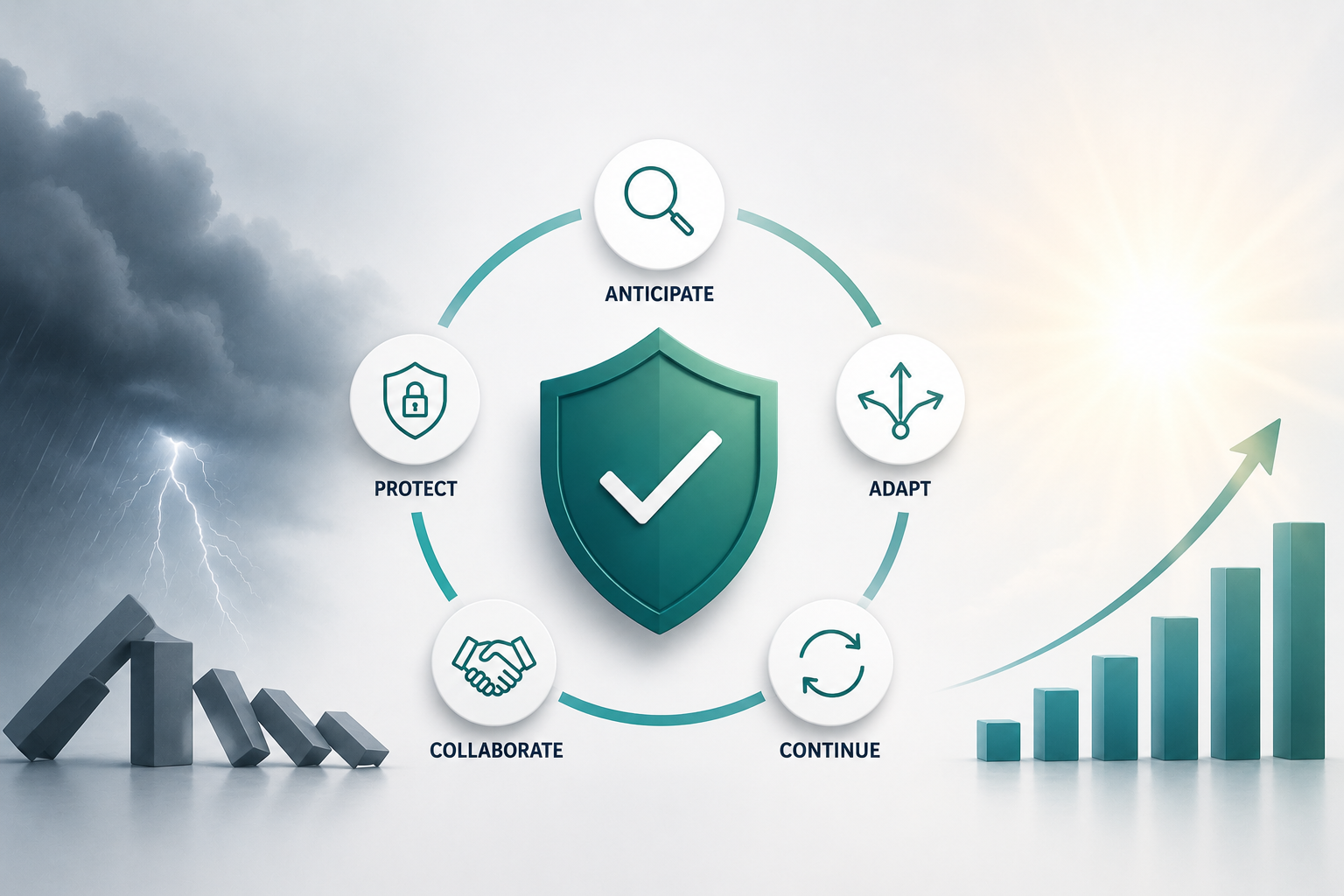
Procurement's Role in Operational Resilience
(and why most businesses are getting it wrong!) From Cost Control to Strategic Function Procurement is still too often treated as a cost-control function. Negotiate contracts, manage suppliers, drive savings, repeat. That model isn't just outdated, it's a liability. In today's operating environment, businesses that relegate procurement to a back-office function are quietly accumulating risk they can't see yet. What

When the Heat Is On: What the June 2026 Heatwave Reveals About Your Supply Chain
As temperatures across southern England breach 35°C and Amber Extreme Heat Warnings run through next week, procurement leaders need to ask a harder question than 'is our office cool enough?' The real exposure is in the supply chain and most organisations have little substantial knowledge of how vulnerable they are. Most business commentary will focus on workforce welfare - keeping