
Published on
14 June 2020
Read time
3 mins
Investors look for companies that have “value”, but what does that mean? Value comes in many forms. It can be talent, intellectual property or concepts. However, the most often it is the earnings potential of a business.
Specifically, buyers or investors or will look at a company’s EBITDA. This is its earnings before interest, taxes, depreciation and amortization. It is deemed one of the most important measures of a company’s profitability. The higher the EBITDA margin, the more attractive a company is to investors.
7 Step Solutions supports businesses enhance their EBITDA in a number of ways. Here are a couple:
Product Pricing
Profitability is determined by more than just sales volume. If a company’s products are flying off the shelves but are priced too low then they are doing themselves a big disservice. An investor isn’t likely to fund their company either. They might not notice the negative effects of undervaluing their product right away, but as their company grows, they will discover that their pricing model cannot sustain their business.
It is important to price a product based on how much it is worth to the customers, not merely how much it costs to produce it. It is key that a company does its research. This makes the company more valuable to potential investors and it shows that they have a capable leader / marketing team, too.
Lowering Operational Costs
High operating costs lower a company’s EBITDA. Companies are often hesitant to embrace the idea of lowering operating costs because it can often mean laying off employees. However, there are many other ways to lowering operating costs without reducing headcount.
- Check for areas of inefficiency that can be corrected with new policies and procedures.
- Update technology to automate and increase productivity and efficiency.
- Negotiate with suppliers for better rates or find new suppliers that will save money.
- Location strategy – Does everyone need to be in the office and does the company need to be based where it currently is. Moving to a less expensive location might be a wise decision.
- Cut down on travel and entertainment expenses.
- Outsource back office / non-core functions such as payroll, IT support and facilities management
Latest news & insights


Tail Spend solutions – a platform or a service?
Ten separate client conversations in the last few weeks have started the same way: "We're not looking for yet another platform. We just need a partner to provide a service and help us get a handle on our Tail Spend." That's not a coincidence - it's a pattern worth naming. Tail Spend is often the least glamorous corner of procurement,
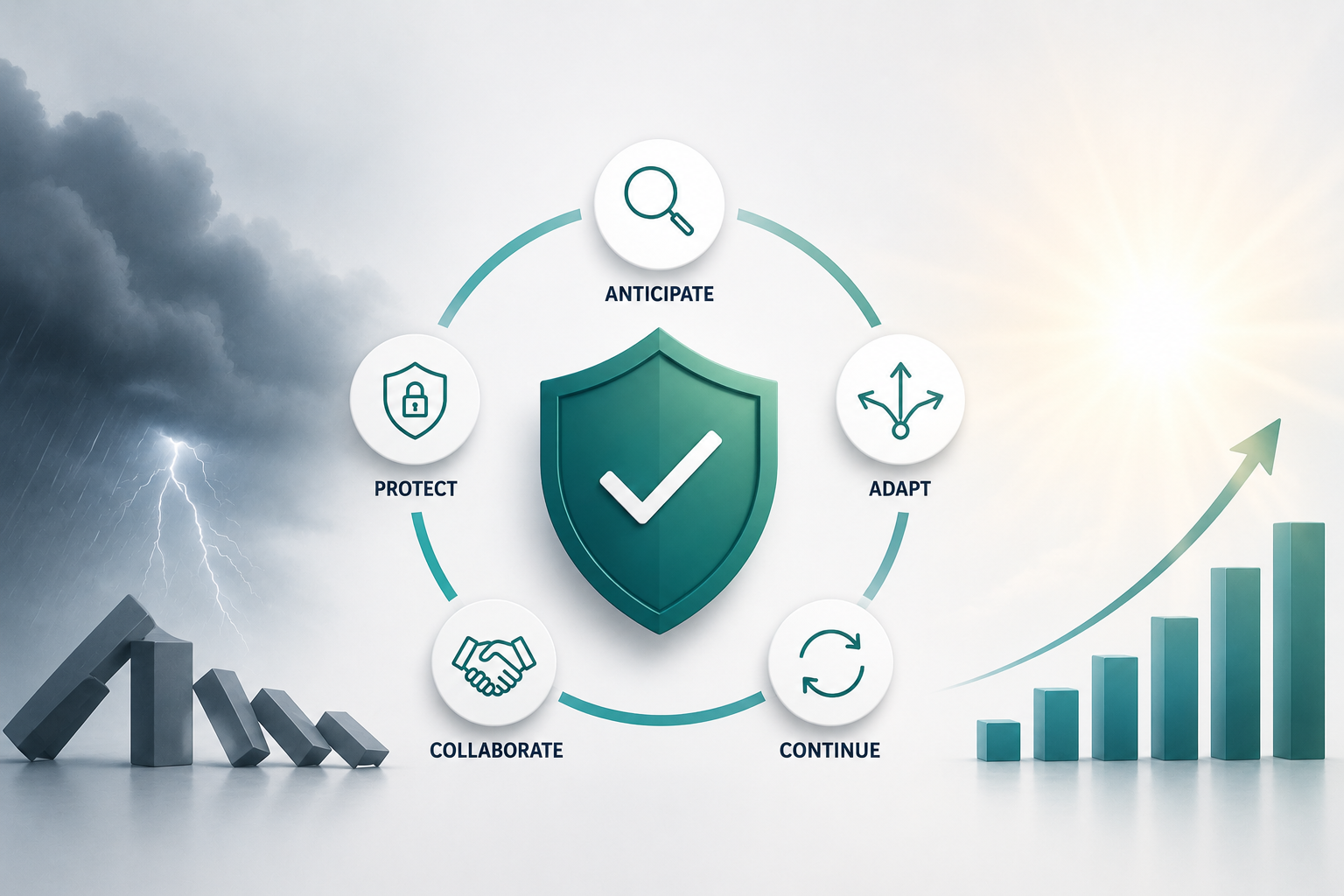
Procurement's Role in Operational Resilience
(and why most businesses are getting it wrong!) From Cost Control to Strategic Function Procurement is still too often treated as a cost-control function. Negotiate contracts, manage suppliers, drive savings, repeat. That model isn't just outdated, it's a liability. In today's operating environment, businesses that relegate procurement to a back-office function are quietly accumulating risk they can't see yet. What

When the Heat Is On: What the June 2026 Heatwave Reveals About Your Supply Chain
As temperatures across southern England breach 35°C and Amber Extreme Heat Warnings run through next week, procurement leaders need to ask a harder question than 'is our office cool enough?' The real exposure is in the supply chain and most organisations have little substantial knowledge of how vulnerable they are. Most business commentary will focus on workforce welfare - keeping