
Published on
9 August 2022
Read time
4 mins
Cloud computing arrangements are arrangements in which the customer does not currently have possession of the underlying software used in the arrangement. Rather, the customer accesses and uses the software on an as-needed basis (e.g., through the internet, or via a dedicated line). Examples of cloud computing arrangements include software as a service, platform as a service, infrastructure as a service and other hosting arrangements. IFRS standards do not contain explicit guidance on a customer’s accounting for cloud computing arrangements or the costs to implement them. Therefore, it may be necessary to apply judgement to account for these arrangements and to apply various IFRS standards, including IFRS 16 Leases, IAS 38 Intangible Assets, and IAS 16 Property, Plant and Equipment.
IFRS 16 considerations
There are differing views about whether a licence of software is excluded from the scope of IFRS 16 based on interpretations of paragraph 3(e) of IFRS 16. If an entity determines a licence of software is not excluded from the scope of IFRS 16, paragraph 4 of IFRS 16 permits, but does not require, an entity to account for the licence of software as a lease.
Some of our clients have made the decision not to account for licences of software as a lease under IFRS 16 for statutory purposes.
In addition, results presented by our clients to their Boards are on a pre-IFRS 16 basis, therefore recognising these licences as leases and depreciating them, rather than recognising the cost in operating expenses would have no impact on the results presented to the Board or used for bank covenants calculations etc.
IAS 38 considerations
An entity should evaluate whether a cloud computing arrangement provides the customer with a resource that it can control (i.e., if the customer has the power to obtain the future economic benefits flowing from the underlying resource and to restrict the access of others to those benefits).
If a contract conveys to the customer only the right to receive access to the supplier’s application software over the contract term, the customer does not receive a software intangible asset.
IFRS standards do not provide specific guidance on whether a cloud computing arrangement provides the customer a resource that it can control (i.e., an intangible asset). One situation in which an intangible asset for a software licence exists in a cloud computing arrangement (and is therefore substantive) is when both of the following are met at the inception of the arrangement:
- The customer has the contractual right to take possession of the software during the hosting period without significant penalty; and
- It is feasible for the customer to run the software on its own hardware or contract with another party unrelated to the supplier to host the software.
The evaluation of the facts listed above should be performed at the inception of an arrangement (or upon a modification of the arrangement) because the evaluation of whether an arrangement includes an intangible asset should be based on the facts and circumstances when the arrangement is entered into. 7 Step has a tool that allows this evaluation to occur.
If it is concluded that the cloud computing arrangement does provide the customer with an intangible asset, then certain costs attributable to the arrangement should be capitalised and amortised over the term of the arrangement.
If this is the case, then the contract with the third party needs to be drafted in such a way to support this arrangement. 7SS has legal templates to support this activity.
If the cloud computing arrangement does not provide the customer with an intangible asset for the software , then the right to access the underlying software in the cloud computing arrangement is generally a service contract and the expense should be recognised as an operating expense over the term of the arrangement.
In summary, this is a great tool for enhancing EBITDA. Reach out to us for more information on how we can support.
Latest news & insights


Tail Spend solutions – a platform or a service?
Ten separate client conversations in the last few weeks have started the same way: "We're not looking for yet another platform. We just need a partner to provide a service and help us get a handle on our Tail Spend." That's not a coincidence - it's a pattern worth naming. Tail Spend is often the least glamorous corner of procurement,
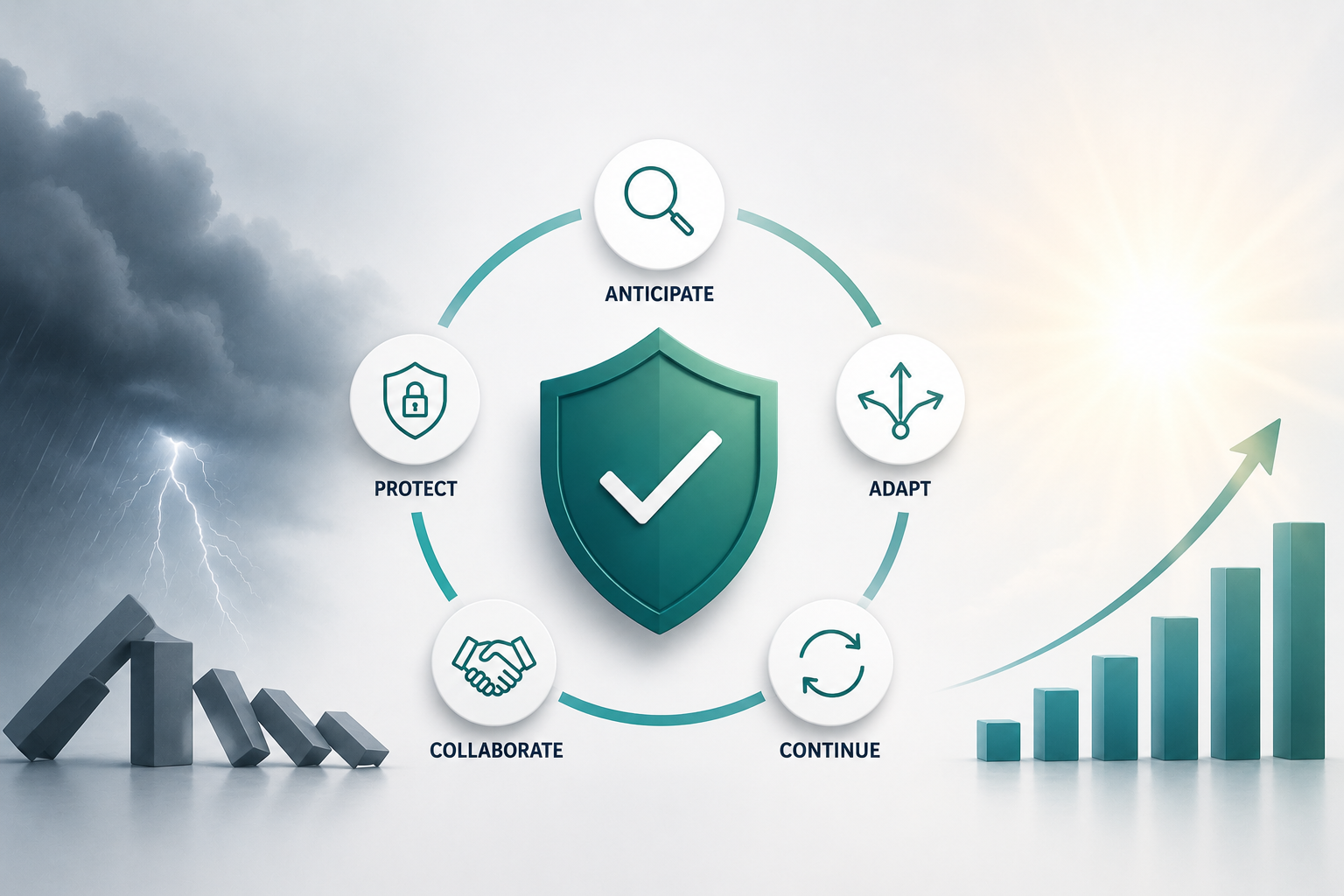
Procurement's Role in Operational Resilience
(and why most businesses are getting it wrong!) From Cost Control to Strategic Function Procurement is still too often treated as a cost-control function. Negotiate contracts, manage suppliers, drive savings, repeat. That model isn't just outdated, it's a liability. In today's operating environment, businesses that relegate procurement to a back-office function are quietly accumulating risk they can't see yet. What

When the Heat Is On: What the June 2026 Heatwave Reveals About Your Supply Chain
As temperatures across southern England breach 35°C and Amber Extreme Heat Warnings run through next week, procurement leaders need to ask a harder question than 'is our office cool enough?' The real exposure is in the supply chain and most organisations have little substantial knowledge of how vulnerable they are. Most business commentary will focus on workforce welfare - keeping